
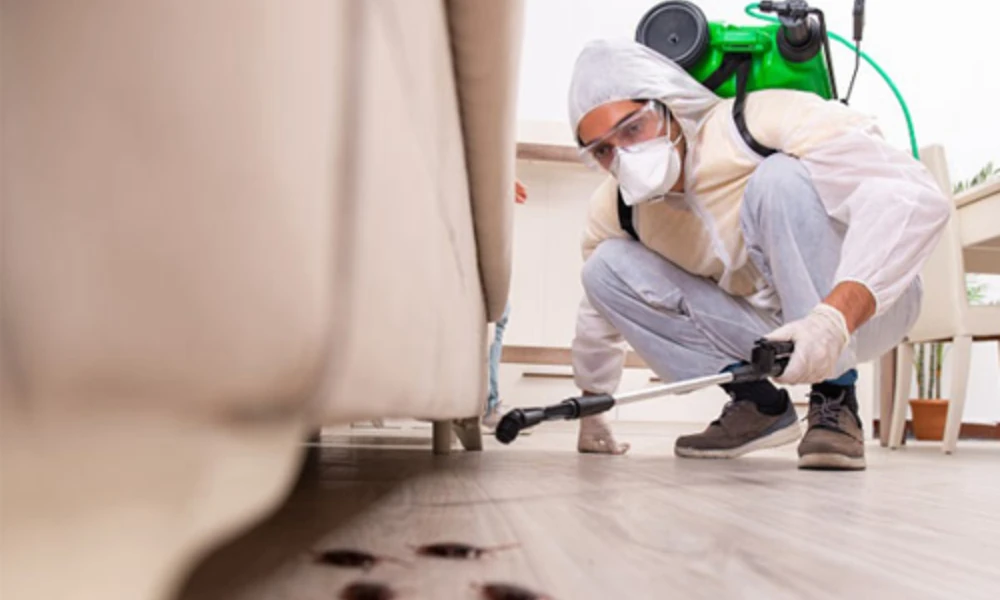
Atlanta is a genuinely great city to own a home in. The neighborhoods have character, the climate is mild enough to enjoy outdoor living for most of the year, and the city has a quality of life that keeps people here for decades. The flip side of that mild, humid climate is that it creates one of the more demanding pest environments in the country. The same conditions that make Atlanta so livable make it exceptionally hospitable for termites, cockroaches, mosquitoes, rodents, ants, and a long list of other pests that would not survive a proper northern winter.
For Atlanta homeowners, pest control is not something you deal with once and forget about. It is an ongoing part of maintaining a home in this region, and the homeowners who approach it that way consistently have fewer problems and lower costs over time than those who wait for a crisis before acting.
Here is a comprehensive guide to what Atlanta homeowners need to know.
The Pest Environment in Atlanta Is Different From Most of the Country
The first thing to understand, particularly if you have moved to Atlanta from a colder region, is that the pest pressures here do not follow the same seasonal pattern you may be used to.
In most northern states, a hard frost in October or November kills off or dramatically reduces insect populations and forces rodents into true dormancy. That winter reset means homeowners get a genuine break from pest activity for several months. Atlanta does not work that way. Temperatures rarely stay cold enough long enough to deliver that reset, which means pests that would die off or hibernate further north simply slow down here and are ready to go again at the first sign of warming weather.
Mosquito season runs from May through October. Termites cause damage year round and swarm in spring. Cockroaches are active indoors throughout the winter. Rodent pressure spikes in fall but does not disappear. The pest calendar in Atlanta is essentially 12 months long, and a pest management approach that treats it as seasonal will leave gaps that pests are very good at finding.
The Pest Threats Atlanta Homeowners Face Most Often
While Atlanta has no shortage of pest species, a handful account for the majority of homeowner problems in the metro area.
Subterranean termites are the highest-consequence pest most Atlanta homeowners will encounter. Georgia sits in a high termite activity zone, and the clay-heavy, moisture-retaining soil around metro Atlanta is particularly conducive to termite colonies. Termites work silently inside wood structures and can cause significant damage before there are any visible signs. The cost of repairing advanced termite damage far exceeds the cost of a professional termite protection program. This is not a pest to manage with DIY products.
Cockroaches come in two main varieties in Atlanta homes. The large American cockroach, which locals often call a waterbug, is primarily an outdoor insect that wanders inside through gaps around drains, pipes, and exterior penetrations. Seeing one occasionally is not necessarily cause for alarm. The German cockroach is a different problem entirely. Smaller, lighter brown, and adapted to living and breeding indoors, German cockroaches establish themselves in kitchens and bathrooms and reproduce fast enough to make a minor problem a major one in a matter of weeks. Daytime sightings of cockroaches of any kind are a sign that populations are significant enough to warrant professional attention.
Mosquitoes are the dominant outdoor pest from late spring through fall. Atlanta’s frequent summer thunderstorms keep producing standing water throughout the season, which keeps mosquito breeding sites active even when homeowners are working to eliminate them. The Asian Tiger Mosquito species that is extremely common in Georgia bites during daylight hours rather than just at dawn and dusk, which makes outdoor life during peak season genuinely uncomfortable without active management.
Rodents are a year round concern in the Atlanta metro area, with activity peaking in fall and winter as mice and rats look for warm places to shelter. Urban and suburban Atlanta homeowners deal with house mice and Norway rats most commonly. Both species breed quickly and cause damage to insulation, wiring, and stored materials in addition to the health concerns from contamination.
Fire ants are a persistent outdoor pest throughout Georgia. Their mounds appear in lawns, garden beds, and along driveways and sidewalks, and their stings are painful and in some cases medically significant. They are aggressive when disturbed and difficult to eliminate permanently without consistent treatment.
Stinging insects including yellow jackets and paper wasps build nests around Atlanta homes from spring through late summer. Atlanta’s long warm season means colonies have more time to grow than in northern states, and nests found in August can be very large. Yellow jackets that nest in wall voids or underground are particularly problematic and should be handled by a professional.
Prevention: The Foundation of Effective Pest Control
Professional treatment works best when it is supported by homeowner prevention habits that reduce the conditions pests need to establish themselves. No treatment program, however good, overcomes a home that is actively providing food, water, shelter, and easy entry to pests.
Seal entry points. This is the single highest-return pest prevention action a homeowner can take. Gaps around pipe penetrations through the foundation and exterior walls, worn or missing door sweeps, gaps under garage doors, deteriorated weatherstripping, and damaged window screens are all entry points that mice, cockroaches, and insects use regularly. A systematic exterior inspection followed by sealing everything you find with appropriate materials is an investment that pays off across multiple pest categories.
Control moisture. Moisture is one of the most universal pest attractants. Dripping faucets, leaky pipes under sinks, slow drains that stay wet, damp crawl spaces with inadequate vapor barriers, and clogged gutters that hold water all create conditions that attract cockroaches, termites, silverfish, and rodents. Fix moisture problems promptly and your home becomes less hospitable to a wide range of pests at once.
Manage food storage. Dry goods left in their original cardboard or paper packaging are accessible to pantry moths, grain beetles, and rodents. Transferring cereal, flour, pasta, rice, and similar items to hard-sided airtight containers removes a significant food source. Keep kitchen surfaces clean, do not leave dishes in the sink overnight, and store pet food in sealed containers rather than leaving it out.
Maintain the perimeter. Dense vegetation planted directly against the foundation, mulch beds that stay damp against the house, wood piles stacked against exterior walls, and debris accumulated along fence lines all provide cover and harborage that encourages pests to move toward your home. Maintaining a clear, dry zone around the foundation and keeping firewood stored away from the house removes that cover.
Manage standing water. Walk your property after every rain during mosquito season and empty anything that holds water. Flowerpot saucers, tarps, bird baths, clogged gutters, low spots in the lawn, and any containers left outside are all potential mosquito breeding sites. Consistent removal of standing water directly reduces the mosquito population pressure on your property.
Seasonal Pest Control Priorities
Even in a year round pest environment like Atlanta, there are seasonal rhythms that help homeowners prioritize where to focus attention.
In late winter and early spring, the priority is preparing the home’s exterior before pest activity accelerates. Inspect and seal entry points, clean gutters, check crawl space vents and vapor barriers, and schedule a professional termite inspection if you have not had one recently. Termite swarms happen between March and May, and catching activity early gives you the most treatment options at the lowest cost.
Through spring and summer, the priorities shift to active management. Mosquito breeding sites need regular attention after every rain. Eaves, deck railings, and exterior structures should be checked periodically for developing wasp nests. Kitchen and bathroom sanitation habits become more important as cockroach activity increases with the heat.
In fall, the focus returns to sealing the home before rodents and insects start looking for winter shelter. October is when rodent pressure typically starts climbing, and any gaps that were not addressed in spring are worth finding and fixing before temperatures drop.
In winter, the pest environment slows down but does not stop. Inspect attic, crawl space, and storage areas periodically for signs of rodent or cockroach activity that may have established during fall.
When to Call a Professional
DIY pest control is adequate for minor, isolated problems where the pest is correctly identified and appropriate products are applied correctly. But there are situations where professional service is clearly the right call, and recognizing them early saves money and prevents small problems from becoming serious ones.
Suspected termite activity warrants immediate professional inspection without exception. Termite treatment requires professional-grade products and application methods that are simply not available to homeowners, and the cost of delayed treatment is measured in structural damage.
Cockroach infestations beyond the occasional wandering waterbug almost always require professional treatment. German cockroaches in particular are resistant to over-the-counter products and reproduce faster than retail treatments can keep pace with.
Rodent activity in multiple areas, or any evidence of activity in the attic or crawl space, benefits from professional inspection to identify entry points that a homeowner walkthrough may miss and to assess any damage to insulation or wiring.
Any pest problem that keeps coming back despite treatment is a signal that something is being missed. A professional inspection identifies the root cause rather than the surface symptom.
Companies like North Fulton Pest Solutions bring local expertise that matters in a market like Atlanta. A pest control company that knows the specific pest pressures of the metro area, the seasonal timing of activity in Georgia, and the conditions that drive pest problems in this particular climate delivers better results than a generic national approach.
The Case for a Year Round Service Plan
For most Atlanta homeowners, the most effective and economical approach to pest control is a year round professional service plan rather than reactive individual treatments.
A quarterly service program with a licensed pest control company provides regular exterior treatment that keeps pest pressure down between visits, professional monitoring that catches developing problems before they become established infestations, and ongoing termite oversight that gives you confidence that the most consequential pest threat to your home is being actively managed.
The cost of a year round program is predictable and manageable. The cost of an established termite infestation, a significant cockroach problem, or rodent damage to attic insulation and wiring is not. The math almost always favors consistent prevention over reactive treatment.
The Bottom Line
Pest control is a genuine ongoing responsibility for Atlanta homeowners in a way that it simply is not in colder parts of the country. The climate here is too hospitable, the pest pressure too consistent, and the potential consequences of certain pests too significant to treat it as a seasonal or optional concern.
The homeowners who manage this best are the ones who take prevention seriously, understand the seasonal rhythms of Atlanta’s pest environment, act early when they see warning signs, and invest in professional support from a company that knows this market. That combination produces homes that are genuinely well protected year round, and the peace of mind that comes with that is worth the consistent effort it takes to get there.
