
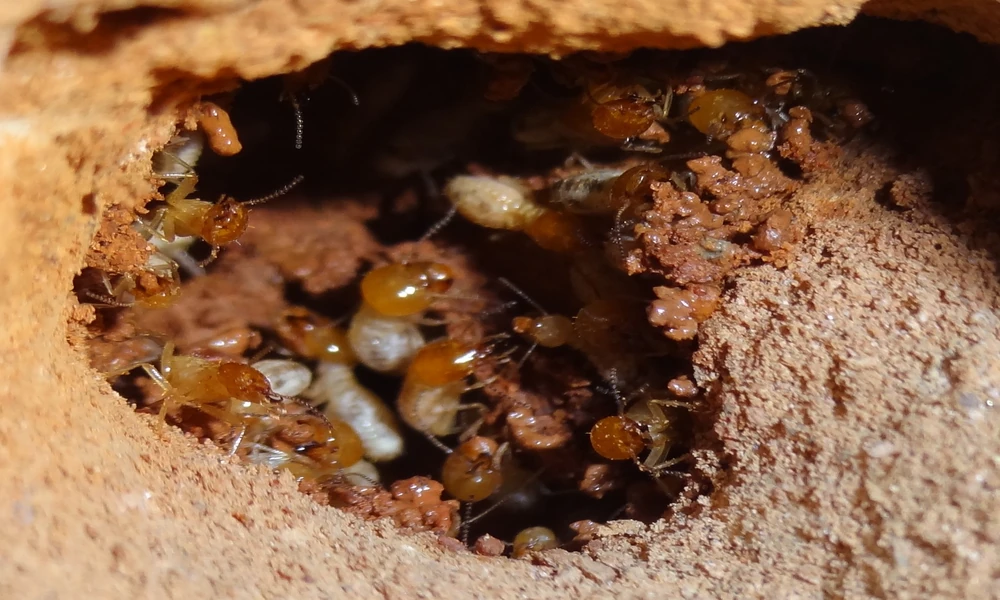
Termites can spend a long time inside a structure before a homeowner realizes they are there. The workers stay out of sight, moving through soil, wood, and wall spaces while they search for food. By the time signs appear, the colony may already have an established route through part of the property.
That does not mean every termite sighting points to major structural damage. It does mean the activity deserves attention, especially when signs keep appearing in the same area. Homeowners considering termite treatment and prevention need to know what an established colony can change and which signs deserve a second look.
The First Signs May Appear Away From the Colony
Termites do not need to be visible for their activity to leave evidence. A homeowner might notice something near a foundation, window, crawl space, or piece of wood while the main colony remains hidden. A few signs are common enough to know by sight.
- Mud tubes along foundation walls or other masonry
- Wood that sounds hollow when tapped
- Discarded wings near windows or light sources
- Small piles of wood-colored material
- Blistered or damaged wood surfaces
One sign does not reveal how large a colony has become, but its location can help narrow down where termites are traveling.
Damage Often Extends Beyond the Visible Spot
Once termites find a reliable path to food, they can keep using it. Subterranean termites may travel from the soil toward the structure through protected areas, while others stay inside damaged or exposed wood. That repeated movement matters because the damage you can see may only be part of the activity. A weakened section of wood can connect to another area that looks normal from the outside.
Termite damage does not always leave a large, obvious hole either. Wood can stay intact on the surface while termites consume the material inside it, so a section that looks sound may already be compromised. The location tells you how much it matters. A damaged piece of trim is not the same as a weakened floor joist, and the areas to watch most closely are where wood touches soil or masonry, around sill plates and crawl spaces, and anywhere the property has a history of moisture. This is why an inspection looks beyond the spot where a homeowner first notices something.
Moisture Can Help Keep the Colony Active
Some termite problems are tied to moisture around a property. Leaking plumbing, poor drainage, and water collecting near the foundation can create conditions that support termite activity. A few sources are easy to find and fix.
- Leaking faucets or pipes near wood
- Water pooling beside the foundation
- Downspouts releasing water too close to the house
- Damp crawl-space areas
- Wood stored directly against the structure
Removing a moisture source does not remove an established colony by itself. It does take away one factor that makes the property easier for termites to use.
Swarmers Can Signal an Established Problem
Winged termites, often called swarmers, appear when a mature colony produces reproductive termites. They may emerge indoors or outdoors, depending on where the colony is. Finding discarded wings near windows, doors, or light sources deserves attention, especially when they show up inside the home. Swarmers do not automatically mean the entire structure is infested, but they point to a colony established nearby. The location and timing of a swarm give a technician useful information during an inspection.
What to Do Once Termite Activity Is Found
Recurring signs matter most. If the same section of foundation shows new mud tubes after they are cleared, or wings keep appearing near one window, that repeated pattern is the signal to look further. Palisade Pest Control can inspect those signs and determine where termite activity is entering or moving through the structure.
From there, a homeowner can reduce what draws termites in. Keep wood debris away from the structure, fix leaks, improve drainage where water collects, and avoid direct contact between stored wood and the house. An established colony can remain hidden while its activity continues, so unusual signs around the home should be checked even when the insects themselves stay out of view.
