
Unpacking the Benefits of Shipping Containers
Why Choose Shipping Containers for Storage?
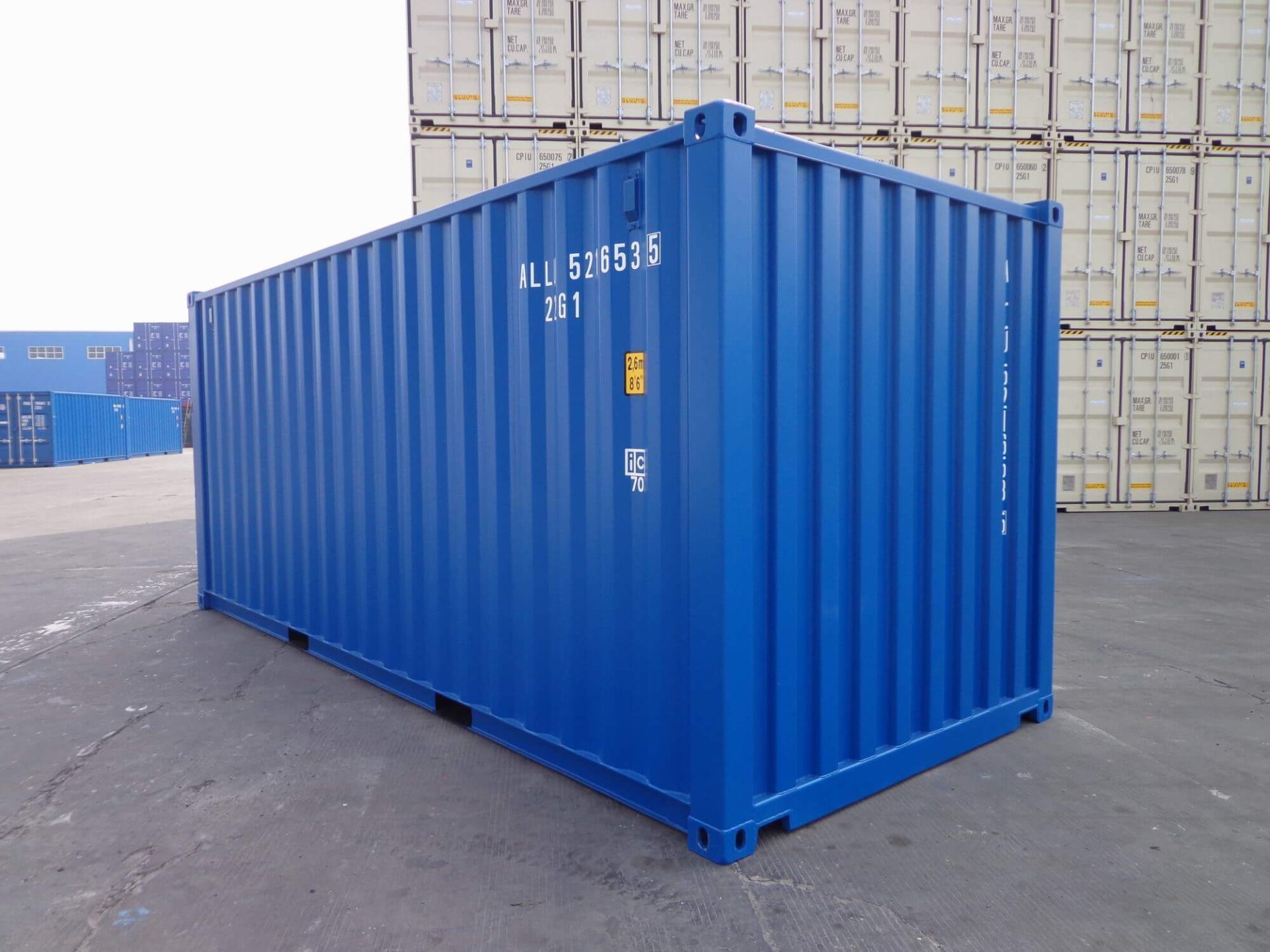
Shipping containers have become one of the most reliable options for storage thanks to their strength and resilience. Built from heavy-duty steel, they are engineered to endure harsh weather conditions, impacts, and long-term use, making them a practical choice for protecting valuable assets. As part of today’s durable shipping container solutions, these units offer both security and flexibility for a wide range of applications. Whether you require temporary storage during a renovation or a long-term solution for commercial operations, shipping containers provide a dependable space that can be transported and repositioned with ease. Their uniform dimensions and solid construction allow them to function effectively in diverse settings, from residential properties to industrial job sites.
In addition to their toughness, shipping containers can be modified to meet specific storage requirements. Options such as ventilation systems, insulation, reinforced doors, and advanced locking mechanisms can be incorporated to enhance functionality and security. This level of customization makes durable shipping container solutions highly adaptable, enabling businesses and homeowners to optimize space while addressing unique operational needs. Furthermore, having on-site container storage can streamline inventory control, improve organization, and reduce reliance on off-site facilities, ultimately supporting smoother and more efficient day-to-day operations.
Eco-Friendly Solutions: The Sustainable Choice
As the world increasingly turns toward sustainable practices, shipping containers offer an eco-friendly solution worth exploring. Constructing new facilities often necessitates excessive materials, energy, and ultimately a larger carbon footprint. Conversely, repurposing existing shipping containers minimizes waste and reduces the demand for new materials. By opting for shipping containers, you support a circular economy where industrial by-products are transformed into useful, multi-functional spaces.
In addition to their repurposable nature, shipping containers are built to last. Their robust steel composition means fewer resources are utilized over time in maintenance and replacement compared to conventional structures. Not only do shipping containers help lower waste, but they can also mitigate adverse environmental impacts, such as deforestation and urban sprawl, associated with new building construction. Additionally, many container housing projects incorporate eco-friendly technologies such as solar panels and rainwater harvesting systems, further enhancing their sustainability profile.
Cost-Effective Alternatives: Saving Money in Style
Another compelling reason to consider shipping containers is their cost-effectiveness. The financial implications of traditional construction can be daunting, with budget overruns and unexpected expenses often compromising projects. Shipping containers, however, present a more budget-friendly alternative. They can be purchased at relatively low costs compared to conventional building materials, allowing both businesses and individuals to invest in their projects without the burden of exorbitant expenditures. Furthermore, the versatility of shipping containers allowing for modifications and reconfigurations means that one can adapt them to various uses over time, which protects your initial investment.
The savings extend beyond just purchase price; transportation and installation are also more straightforward and less costly with containers. Once on-site, containers can be quickly deployed minimizing downtime in operations for businesses. For individuals seeking unique living spaces, constructing a home from shipping containers is often significantly cheaper than traditional building methods, allowing homeowners to allocate funding toward other essential aspects of home design and improvement. Overall, shipping containers offer a stylish and functional path to saving money without sacrificing quality or aesthetic appeal.
Innovative Uses Beyond Transportation
Transforming Shipping Containers into Custom Homes
As innovative architecture becomes an increasingly popular trend, the idea of transforming shipping containers into custom homes has garnered remarkable attention. This trend reflects a larger shift toward alternative living solutions that prioritize sustainability, affordability, and creativity. Container homes offer unique living spaces that can be customized to suit an individual’s aesthetic preferences and functional needs. They can be artfully arranged, stacked, or spread out to create diverse layouts that reflect the personality of the inhabitant.
Some of the advantages of container homes include efficient plumbing and electrical systems installation due to their modular nature. They can be connected easily to utilities while leveraging strategic designs for natural light and ventilation. Moreover, with their robust construction, container homes can withstand extreme weather conditions, making them suitable for various climates. By incorporating features like green roofs, large bay windows, and open floor plans, these homes can be as stylish and comfortable as traditional builds while adhering to an eco-conscious lifestyle.
Creative Business Ventures: Container Shops and Cafés
Shipping containers have opened the door to numerous entrepreneurial opportunities, particularly in retail and dining. As the trend toward pop-up shops and unique dining experiences grows, business owners are increasingly demonstrating ingenuity by utilizing shipping containers as storefronts, cafés, and restaurants. The mobility of these containers allows entrepreneurs to establish their businesses in strategic, high-traffic locations, thereby drawing in customers while maintaining lower overhead costs associated with traditional brick-and-mortar establishments.
Container shops can be designed to cater to a variety of themes from artisanal coffee shops to boutique retail spaces while maintaining a visually distinctive edge. Business ventures using shipping containers benefit from the positive connotation associated with sustainability and innovation, attracting customers eager to support unique and creative businesses. Furthermore, shipping containers can be equipped with modern amenities, including air conditioning, kitchen facilities, and bathrooms, making them versatile spaces that can adapt to an array of business models, from pop-up markets to established eateries.
Art and Community Spaces: Fostering Creativity
Shipping containers also serve as remarkable venues for art and community spaces, creating hubs that foster creativity and collaboration in urban areas. Adaptive reuse of these containers can form galleries, artist studios, or community centers, visibly transforming otherwise vacant lots into vibrant installations. What better way to reclaim underused spaces than giving them new life through culturally enriching environments? These container spaces can host local exhibitions, workshops, or community events that encourage self-expression and collective engagement.
Moreover, container art installations can serve an educational purpose, as various artists and organizations showcase their work while raising awareness around sustainability and repurposing materials. By employing shipping containers as a medium for creativity, communities can stimulate connections, share ideas, and promote artistic innovation while maximizing land utility. This type of engagement further solidifies the notion of shipping containers as tools capable of producing significant societal benefits beyond their original intended use.
Choosing the Right Shipping Container for Your Project
Different Sizes, Different Solutions: Finding Your Fit
When selecting the perfect shipping container for your project, understanding the various sizes and configurations available is critical. Shipping containers typically come in two primary sizes: the standard 20-foot and the more spacious 40-foot container. The choice between these sizes largely depends on the intended use whether for storage solutions, residential conversions, or retail spaces. It is also essential to consider the dimensions of your property and the space you have available before finalizing a decision. Size will not only dictate pragmatics for accommodation but can also affect your design possibilities.
In addition to the standard sizes, shipping containers are also available in high-cube varieties, which provide extra height for vertical constructions. Such options can particularly benefit projects looking to optimize space through multi-level designs or those requiring additional headroom, like container homes or studios. Ultimately, understanding your specific needs be they storage, living, or workspaces will guide your decision on the right dimensions and configuration for your project, ensuring you create a functional and aesthetically appealing container solution.
New vs. Used: Which Container Should You Pick?
Your choice between new and used shipping containers will significantly influence your project’s budget, integrity, and overall aesthetic. New containers are often cleaner, more visually appealing, and free from rust or previous cargo scents, thereby making them ideal for projects where appearance matters. However, the higher cost of new containers might not align with every project’s financial framework.
On the other hand, used containers offer a budget-friendly alternative but come with considerations regarding their condition and potential wear. They are often significantly cheaper and, if well-maintained, can still offer the durability needed for various applications. It’s essential to assess any used containers thoroughly checking for any structural damages, rust, or signs of leaks before making a purchase. Ultimately, your choice should reflect not only your financial considerations but your project’s objectives and aesthetic requirements.
Assessing Quality: What to Look for When Buying
The quality of a shipping container is paramount to its performance and longevity, making it essential to do thorough research before purchasing. When assessing containers, potential buyers should examine the structural integrity, inspect the corners, doors, floors, and walls for any signs of damage or rust; utilize tools to check for leaks and ventilation, and ideally conduct a physical inspection. The IICL (Institute of International Container Lessors) provides specifications that outline the standards new and used containers should meet, guiding buyers in evaluating quality.
Additionally, consider the container’s age and maintenance history. While older containers can still be viable, a well-cared-for older container could be a better investment than a newer one that has been subjected to significant wear. Furthermore, inquiring about the container’s previous life, what it transported and how it was used can provide insight into its condition. Understanding the quality of materials, structural reinforcements, and the container’s overall design will arm you with the information needed to make an informed purchase that ensures the longevity of your investment.
Getting Started: Your Guide to Container Logistics
From Purchase to Placement: The Delivery Journey
Once you’ve selected the right shipping container for your needs, you will need to navigate the logistics of purchasing and placing it on your property. The journey typically begins with procurement, which can be facilitated through local suppliers, online platforms, or auctions. Depending on the vendor, you may be offered either immediate delivery or options for customization. It’s important to factor in costs associated with transport and logistics when planning budgets, as these can sometimes add a significant amount to your initial outlay.
Once purchased, the next step is arranging for the container’s delivery. It’s advisable to assess the accessibility of your site for transportation vehicles, and factor this into your planning. Adequate space must be available for placement, whether it’s on a level surface, concrete pad, or gravel. Focusing on the foundational support is crucial, as improper placement can lead to settlement issues over time. And finally, consider whether you might need any permits for placing the container, particularly if local zoning laws mandate compliance with certain regulations or require you to obtain municipal approval.
Modification and Maintenance: Ensuring Longevity
Once in place, your shipping container can be modified and maintained to ensure it meets your specific requirements while prolonging its life. Modifications often involve adding doors, windows, insulation, and even plumbing or electrical systems. Depending on the envisaged use be it a workspace, home, or retail outlet these alterations should be tailored to maximize both functionality and comfort while respecting any community guidelines regarding external appearances.
Regular maintenance plays a critical role in enhancing the longevity of your shipping container. Addressing rust promptly, maintaining seals around doors to protect against leaks, and keeping the container clean and dry will prevent significant damage. Notably, periodic inspections of the surrounding drainage and site conditions can mitigate potential drainage issues that could impact your container’s foundation and overall stability. By incorporating a routine of necessary upkeep, you create a sound investment that can serve its purpose effectively for years to come.
Legal Considerations: Navigating Zoning and Permits
Before embarking on your shipping container project, it is vital to navigate the legal landscape concerning zoning and permits. Regulations governing shipping containers vary widely based on location, and various factors need consideration, including land-use plans, local zoning ordinances, and municipal regulations. Seek guidance from local authorities or zoning professionals to ascertain what is permissible in your area residential versus commercial uses can have vastly different allowances.
Many municipalities require a permit to use shipping containers on private property, particularly if they are intended for permanent or semi-permanent structures. Homeowners and businesses should prepare to present their plans, detailing the intended use and any modifications, to gain necessary approvals before proceeding with installations. Failing to comply can lead to fines or mandates for removal. Diligence in researching and ensuring adherence to local regulations not only safeguards your project but contributes to responsible land use in your community.
