
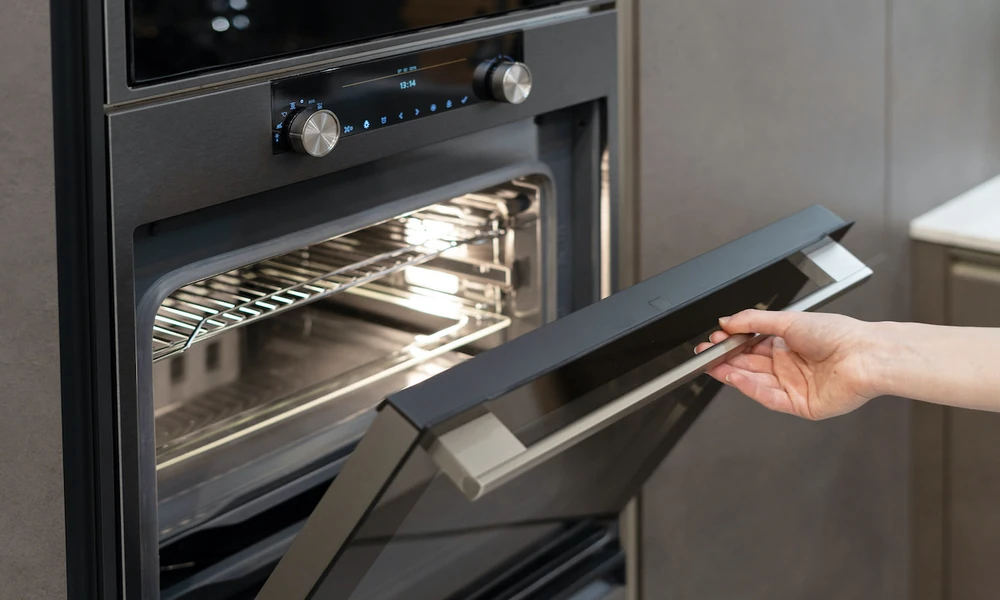
If you have ever wondered whether upgrading to a convection oven is worth it, you are not alone. The choice between a convection oven and a conventional model is one of the most common kitchen appliance decisions home cooks face, and the right answer depends on how you cook, what you cook most often, and what results matter most to you.
How a Convection Oven Works Differently
A standard oven heats air from elements at the top and bottom of the cavity, relying on that heat to gradually rise and fill the space. Temperature variations within the cavity are inevitable – the area nearest the elements runs hotter, while corners and the centre of the oven may differ by meaningful degrees. A convection oven adds a fan that actively circulates heated air throughout the cavity, distributing temperature much more evenly and reducing or eliminating the hot spots that conventional ovens create.
Faster Cooking Times
Circulated air transfers heat to food more efficiently than static air. The practical result is that convection ovens typically cook food around 25 percent faster than conventional models at the same set temperature. Many experienced convection users reduce the oven temperature by 25 degrees Fahrenheit from conventional recipe settings and still achieve faster results.
Better Browning and Crisping
The moving air in a convection oven removes the thin layer of steam that forms around food as moisture evaporates during cooking. This accelerates surface browning and crisping – beneficial for roasted meats, vegetables, pastries, and cookies where a golden exterior is desirable. For dishes where a moist, soft texture is the goal, the drying effect of convection can work against you.
When Conventional Ovens Have the Edge
Delicate baked goods – custards, souffles, some cakes – can be negatively affected by convection airflow, which may cause uneven rising or a skin forming on the surface before the interior has set. For these applications, the still air of a conventional oven is often preferable. Many modern ovens offer both modes, giving flexibility to use convection when it helps and conventional settings when it does not. Brands like Ciarra Nosh Oven design oven products with both cooking modes and programmable settings that let you match the method to the recipe without compromise.
Multi-Rack Cooking
One of the most practical advantages of convection is the ability to cook multiple trays simultaneously without rotating them halfway through. In conventional ovens, items on different racks receive different heat exposure. Convection circulation largely equalises this, making it possible to bake multiple trays of cookies or roast several dishes at once with consistent results across all levels.
Making the Right Choice
For households that cook frequently and value speed, browning quality, and multi-rack flexibility, a convection oven typically delivers a noticeable quality improvement. For occasional bakers working primarily with delicate recipes, a conventional oven or a model with selectable modes offers the best of both worlds.
