
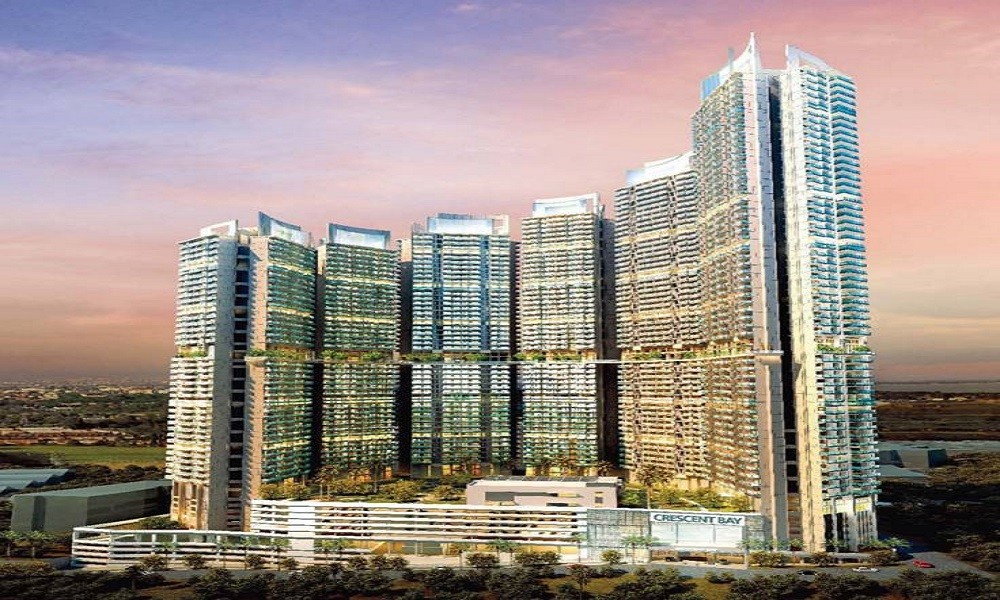
Premium property choices continue shaping confident financial growth decisions. Buyers increasingly prefer stable assets offering consistent long term appreciation. Interest rises steadily around coastal regions featuring luxury developments and steady demand.
Smart investors often explore buy property samui opportunities for balanced portfolio growth. These selections provide both lifestyle value and dependable future income potential. Careful planning ensures returns remain steady across changing economic conditions.
Strong Value Through Strategic Property Selection
Prime locations often deliver steady appreciation with reduced volatility risks. Buyers examine surroundings, infrastructure, and future growth signals before purchasing. Thoughtful selection helps maintain consistent rental demand and resale strength.
- Coastal zones attract global tenants seeking premium living
- Infrastructure expansion supports steady appreciation over time
- Tourism growth boosts seasonal rental income reliability
- Limited land availability increases long term asset value
These factors combine to strengthen ownership confidence significantly. Long term planning ensures assets perform reliably across varying cycles. Investors gain stability through careful property selection and timing.
Rental Income Streams Build Reliable Wealth
Rental opportunities remain essential for consistent property based income generation. Owners benefit from both short stays and extended lease agreements. Market demand supports steady occupancy across well positioned premium properties.
- Vacation rentals generate attractive seasonal revenue streams
- Long term leases ensure predictable monthly earnings
- Property management services simplify daily operational tasks
- Furnished units attract higher paying international tenants
Balanced rental strategies support income stability across different seasons. Investors maintain flexibility while responding to changing tenant preferences. Revenue consistency strengthens overall portfolio performance over extended periods.
What Makes Premium Properties More Secure?
Premium properties often include superior construction quality and location advantages. Buyers feel confident because these assets retain value during fluctuations. Strong demand ensures liquidity remains favorable when selling becomes necessary. Well maintained surroundings also contribute to long term buyer interest consistently.
How Do Buyers Evaluate Long Term Returns?
Buyers often compare rental yield alongside expected appreciation rates carefully. They review past performance trends within similar developments before committing. Financial planning includes maintenance costs and possible vacancy periods. Clear evaluation ensures investments remain practical and financially rewarding.
Flexible Ownership Structures Improve Accessibility
Modern ownership models allow broader participation in premium real estate markets. Buyers can select full ownership or shared investment structures comfortably. This flexibility encourages diverse investors to participate confidently in property markets. Many investors now consider buy property samui options through structured ownership plans. Such arrangements simplify entry while maintaining strong value potential.
- Fractional ownership reduces individual investment burden significantly
- Joint ventures enable access to high value properties
- Managed services handle operational responsibilities efficiently
- Legal frameworks protect ownership rights securely
Flexible models support broader access without compromising asset quality. Investors diversify holdings while maintaining manageable financial commitments. This approach strengthens long term portfolio resilience effectively.
Gradual Growth Through Thoughtful Property Decisions
Long term success depends on consistent decisions rather than quick gains. Investors benefit by reviewing trends and adjusting strategies patiently over time. Each purchase contributes toward building a stable financial future steadily. Confidence grows when assets perform reliably across different market phases.
