
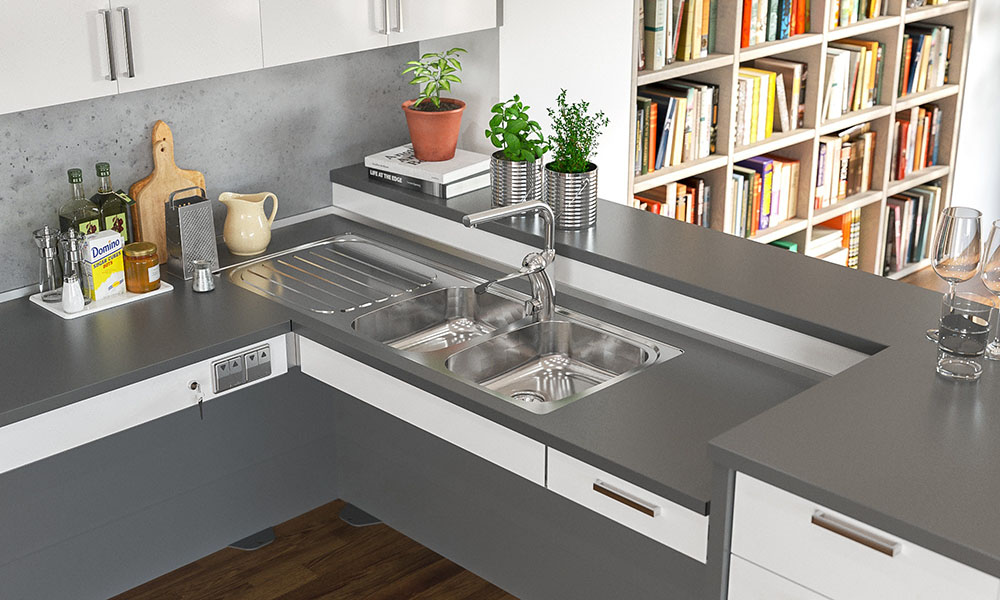
Kitchen cabinets play a significant role in defining the functionality and aesthetic appeal of one of the most important spaces in your home—the kitchen. They serve as storage solutions, design elements, and long-term investments. When choosing the perfect material for your kitchen cabinets, you’ll encounter a host of options, including stainless steel, solid wood, plywood, and MDF. Among these, stainless steel kitchen cabinets are becoming increasingly popular, and for good reasons.
In this blog, we’ll dive into a detailed comparison of stainless steel cabinets and other traditional materials, evaluating aspects like durability, design, cost, maintenance, and sustainability to help you make an informed decision.
Overview of Kitchen Cabinet Materials
Before we analyze the pros and cons of each, let’s take a quick look at the materials commonly used for kitchen cabinets:
- Stainless Steel
Stainless steel is a metal that has gained traction in residential kitchens due to its modern, sleek appearance and reliability. It has high-end industrial vibes, durability, and low-maintenance features.
- Solid Wood
A traditional kitchen favorite, solid wood cabinets exude craftsmanship, warmth, and elegance. Popular types of wood include oak, cherry, and maple.
- Plywood
Plywood consists of thin layers of wood veneers glued together to increase strength and stability. It is widely used because it’s affordable and lightweight, making it a common alternative to solid wood.
- MDF (Medium Density Fiberboard)
MDF is an engineered wood product made from pressed wood fibers combined with glue and resin. This material is commonly used for flat and smooth finishes, making it a key choice for painted cabinets.
Key Comparison: Stainless Steel vs Other Materials
- Durability
When it comes to hard-wearing, long-lasting materials, stainless steel reigns supreme.
Stainless Steel: Known for its robustness, stainless steel is resistant to scratches, dents, warping, and cracking. It can also withstand extreme temperatures and humidity, making it an ideal material for kitchens in diverse environments.
Solid Wood: While sturdy, wood is vulnerable to moisture and temperature fluctuations. Over time, it can warp, expand, crack, or rot, especially in humid conditions.
Plywood: Plywood has decent durability but is prone to delamination in high-moisture environments. Over time, it may show signs of warping and wear.
MDF: The least durable of all the options listed here, MDF is highly susceptible to water damage and scratches. Once damaged, it may need complete replacement rather than repair.
Winner: Stainless Steel
- Moisture Resistance
Kitchens are prone to moisture due to cooking, cleaning, and potential spills. Your cabinet material needs to hold up well in such conditions.
Stainless Steel: Fully resistant to water and moisture. It won’t rot, swell, or degrade like wood or engineered materials.
Solid Wood: Natural wood absorbs water and can swell, which is why it’s often sealed with protective finishes. However, without regular maintenance, water damage can occur.
Plywood and MDF: Both materials are more resistant to moisture than solid wood, but only to a certain extent. Prolonged exposure to water can lead to damage.
Winner: Stainless Steel
- Hygiene
The kitchen is the heart of the home, and hygiene is paramount.
Stainless Steel: The material is non-porous, which means it doesn’t harbor bacteria, mold, or germs. With simple cleaning, you can maintain an ultra-hygienic environment.
Solid Wood and Plywood: Both materials are porous, which means moisture and dirt can seep into cracks and create potential bacterial growth.
MDF: Similarly, MDF is prone to surface damage, and its composition includes adhesives that may release toxins under heat or after prolonged use.
Winner: Stainless Steel
- Maintenance
The ease of maintenance greatly impacts the longevity and appeal of your cabinets.
Stainless Steel: Incredibly low-maintenance. It only requires routine cleaning with a cloth and mild soap/detergent. With proper care, its shine and finish remain intact for years.
Solid Wood: Requires periodic refinishing and polishing to maintain aesthetics. Regular cleaning is necessary to avoid moisture damage and stains.
Plywood and MDF: MDF can be particularly difficult to repair in case of damage, while plywood requires occasional checks for delamination or peeling.
Winner: Stainless Steel
- Aesthetic Appeal
The look and feel of your kitchen cabinets can transform the entire vibe of the space.
Stainless Steel: The unique metallic sheen of stainless steel gives kitchens a luxurious and modern appeal, making it an excellent choice for minimalist and industrial-style aesthetics.
Solid Wood: Offers timeless elegance with its natural look and ability to be stained or painted to suit various designs, from rustic to traditional.
Plywood: Matches solid wood’s classic appeal but lacks its natural richness. However, it remains a good option for a variety of kitchen styles.
MDF: Often used for cabinets with painted finishes or elaborate designs. While smooth and customizable, it lacks the richness and uniqueness of wood or stainless steel.
Winner: Tie (depends on your preferred style)
- Cost
Budget is often the deciding factor when choosing kitchen cabinets.
Stainless Steel: Higher initial cost compared to wood and engineered materials. However, its durability and lifespan mean long-term savings because it doesn’t need frequent repairs or replacements.
Solid Wood: The cost varies depending on the type of wood. Premium hardwoods are expensive, while softer woods like pine are somewhat more affordable.
Plywood: More affordable than solid wood, making it a popular choice for budget-friendly upgrades.
MDF: Offers the best price point among the options discussed, especially for homeowners looking for economical solutions.
Winner: MDF for affordability, Stainless Steel for long-term value.
- Environmental Impact
Sustainability is a major concern for modern homeowners.
Stainless Steel: 100% recyclable and environmentally friendly. It doesn’t emit VOCs (volatile organic compounds) or toxins over time, unlike MDF and some plywood products.
Solid Wood: From sustainably sourced forests, wood can also be eco-friendly, but destructive deforestation practices may have negative environmental impacts.
Plywood: While less environmentally taxing than solid wood, plywood often relies on adhesives and treatments that aren’t eco-friendly.
MDF: Includes toxic resins like formaldehyde, and its manufacturing process releases emissions harmful to the environment.
Winner: Stainless Steel
Why Choose Stainless Steel?
Based on this comprehensive comparison, stainless steel kitchen cabinets outperform traditional materials in most categories. While the cost may be higher upfront, the long-term benefits—including durability, moisture resistance, hygiene, low maintenance, and sustainability—make stainless steel a worthwhile investment.
