
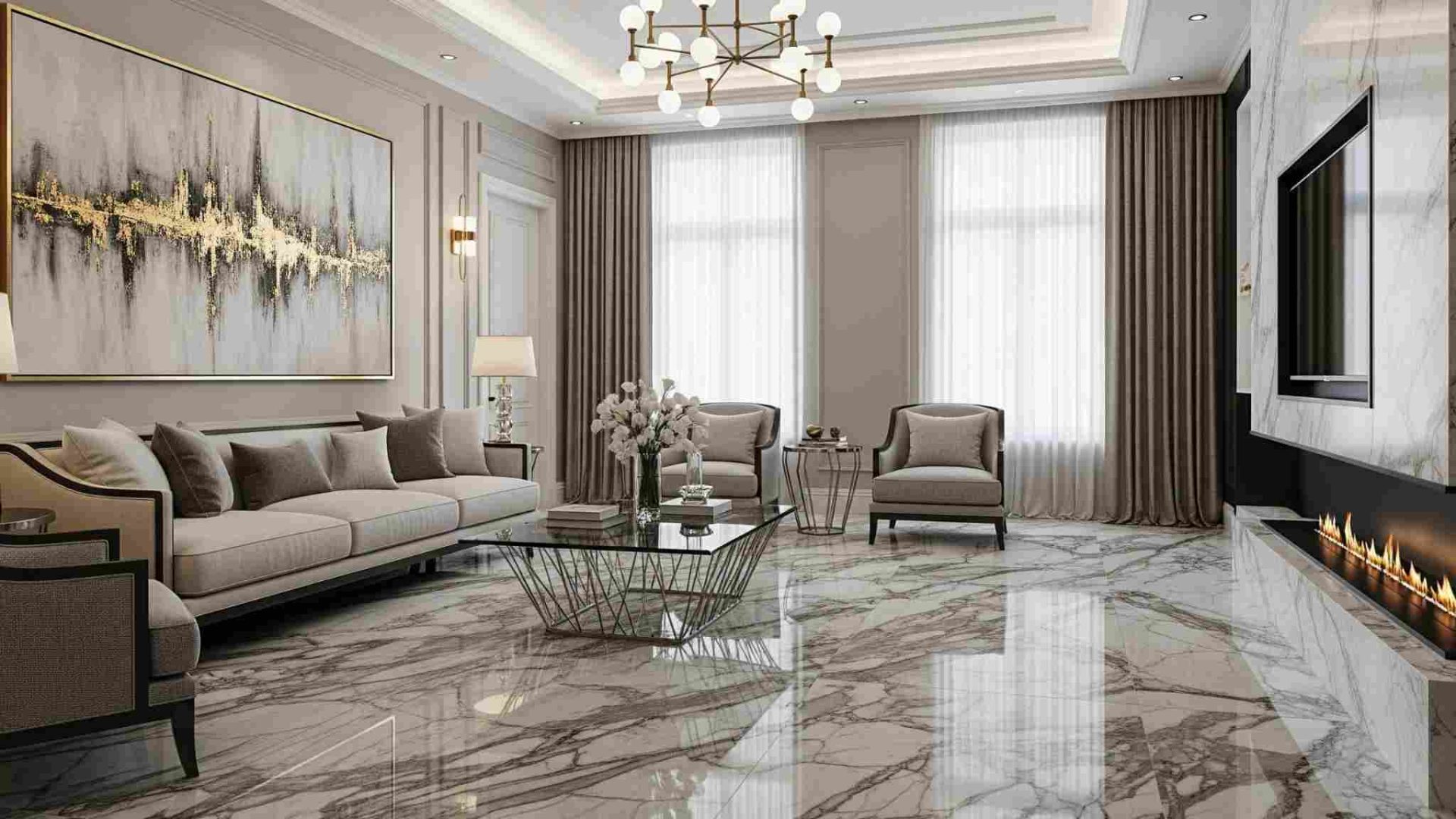
Few materials can transform a room quite like marble tile. Natural veining, subtle changes in color, and the unmistakable depth of real stone give marble a character that manufactured surfaces often try to imitate. Yet the appeal of marble goes beyond luxury. With the right selection, finish, and installation, it can become a defining element of an interior for many years.
From bright bathrooms and sophisticated kitchens to dramatic entryways and decorative feature walls, marble offers enormous design flexibility. The important part is choosing the right type of tile for the space and understanding how natural stone behaves.
Why Marble Tile Never Really Goes Out of Style
Interior trends change quickly. Colors come and go, patterns become popular and disappear again, but marble has remained relevant for centuries.
One reason is simple: every piece is different.
Natural marble tile develops its appearance through geological processes involving heat and pressure. The resulting variations in veining, mineral deposits, shades, and patterns mean that two tiles will rarely look exactly alike. Rather than creating a perfectly uniform surface, marble produces an installation with movement and individuality.
That natural variation works particularly well in interiors where the materials themselves are intended to become part of the design.
White marble with soft gray veining can create a clean and peaceful atmosphere. More dramatic stone with strong contrasting veins immediately becomes a visual focal point. Beige and cream varieties introduce warmth, while darker marble can give an interior a sophisticated, architectural character.
This makes marble surprisingly adaptable.
Where Can Marble Tile Be Used?
One of the strengths of marble tile is its versatility. It can be used across many areas of residential and commercial interiors, although the finish and type of marble should always match the application.
Common applications include:
• Bathroom walls and floors
• Shower walls and surrounds
• Kitchen backsplashes
• Entryways and hallways
• Fireplace surrounds
• Feature walls
• Decorative borders and mosaics
• Living room flooring
• Powder rooms
• Commercial reception areas
Bathrooms are particularly well suited to marble. Pale natural stone can reflect light and make smaller rooms appear more open, while marble mosaics allow designers to introduce additional texture without overwhelming the space.
In kitchens, marble backsplashes are another popular option. They provide the visual character of natural stone while experiencing considerably less wear than a heavily used countertop.
Polished or Honed Marble?
Choosing the stone itself is only part of the decision. Surface finish can dramatically change both the appearance and practical characteristics of marble.
Polished marble has a glossy, reflective surface. This finish emphasizes color and veining and can help bounce light around a room. It is especially effective on walls, backsplashes, fireplace surrounds, and decorative areas where the reflective finish becomes part of the design.
Honed marble tile has a softer, more matte appearance. Instead of reflecting large amounts of light, it creates a quieter and often more contemporary aesthetic. A honed finish can also make minor wear less noticeable, which may make it preferable for certain flooring applications.
The right choice therefore depends on more than appearance. Consider moisture, foot traffic, maintenance expectations, and how the surface will actually be used.
Designing With Natural Variation
One of the biggest mistakes people can make when buying natural stone is expecting every tile to be identical.
Variation is part of marble’s appeal.
Some pieces may contain stronger veins. Others may appear lighter or darker. A particular section might have dramatic movement while another looks relatively calm.
Instead of fighting those differences, good installation uses them intentionally.
Before installation, tiles can be laid out and viewed together. This allows the installer or designer to distribute strong patterns throughout the area rather than accidentally concentrating them in one location.
For a statement wall, several strongly veined pieces might intentionally be positioned together. For a large floor, distributing those pieces more evenly can create a balanced appearance.
It is this ability to compose the final surface that makes working with marble tile particularly interesting.
Choosing Marble for Your Interior Style
Marble does not have to mean a traditional luxury interior.
In a minimalist bathroom, large pale tiles combined with simple fixtures can create an almost architectural appearance. In a traditional home, decorative marble mosaics can add detail and craftsmanship. Contemporary interiors can pair strongly veined marble with wood, metal, glass, or simple neutral surfaces.
The surrounding materials matter enormously.
A dramatic marble usually needs fewer competing patterns around it. Conversely, subtle stone can provide a beautiful background for more expressive furniture, cabinetry, or lighting.
At Surfaces Galore, homeowners, designers, architects, and contractors can explore different marble options based on the visual character and requirements of a project. Looking beyond a single product photograph is important because size, finish, color variation, and veining can significantly influence the final result.
Does Marble Tile Require Maintenance?
Yes. Real marble should not be treated exactly like porcelain or ceramic tile.
Marble is a natural stone and can be sensitive to staining, scratching, and acidic substances. Lemon juice, vinegar, wine, and certain household cleaners can affect its surface. Appropriate sealing can help reduce absorption, but it does not make marble completely maintenance-free.
Routine care is relatively straightforward.
Use cleaners intended for natural stone, remove spills promptly, and avoid aggressive acidic or abrasive cleaning products. Floors should also be kept free from sand and grit that could gradually scratch the surface.
Some owners actually appreciate the subtle patina that natural marble develops over time. Others prefer keeping the original finish as consistent as possible. Either approach can work, but expectations should be established before choosing the material.
A Material That Makes Every Project Unique
The biggest reason to choose marble tile may ultimately be the simplest one: it is real.
Its veins are not printed onto the surface. Its variation is not generated by a repeating digital pattern. Each piece comes with its own coloration, movement, and mineral characteristics.
That individuality gives designers enormous creative freedom.
A marble floor can become the quiet foundation of an interior. A backsplash can introduce just enough movement to make a kitchen memorable. A strongly veined feature wall can become the centerpiece of an entire room.
Choosing marble therefore involves more than selecting a color. Think about tile dimensions, finish, veining, lighting, surrounding materials, traffic, and maintenance requirements. When those elements work together, marble tile can create a space that feels refined without looking temporary or trend-driven.
For homeowners who appreciate natural materials and designers searching for surfaces with genuine individuality, marble remains difficult to replace. Every installation is slightly different—and that is precisely what makes it special.
