
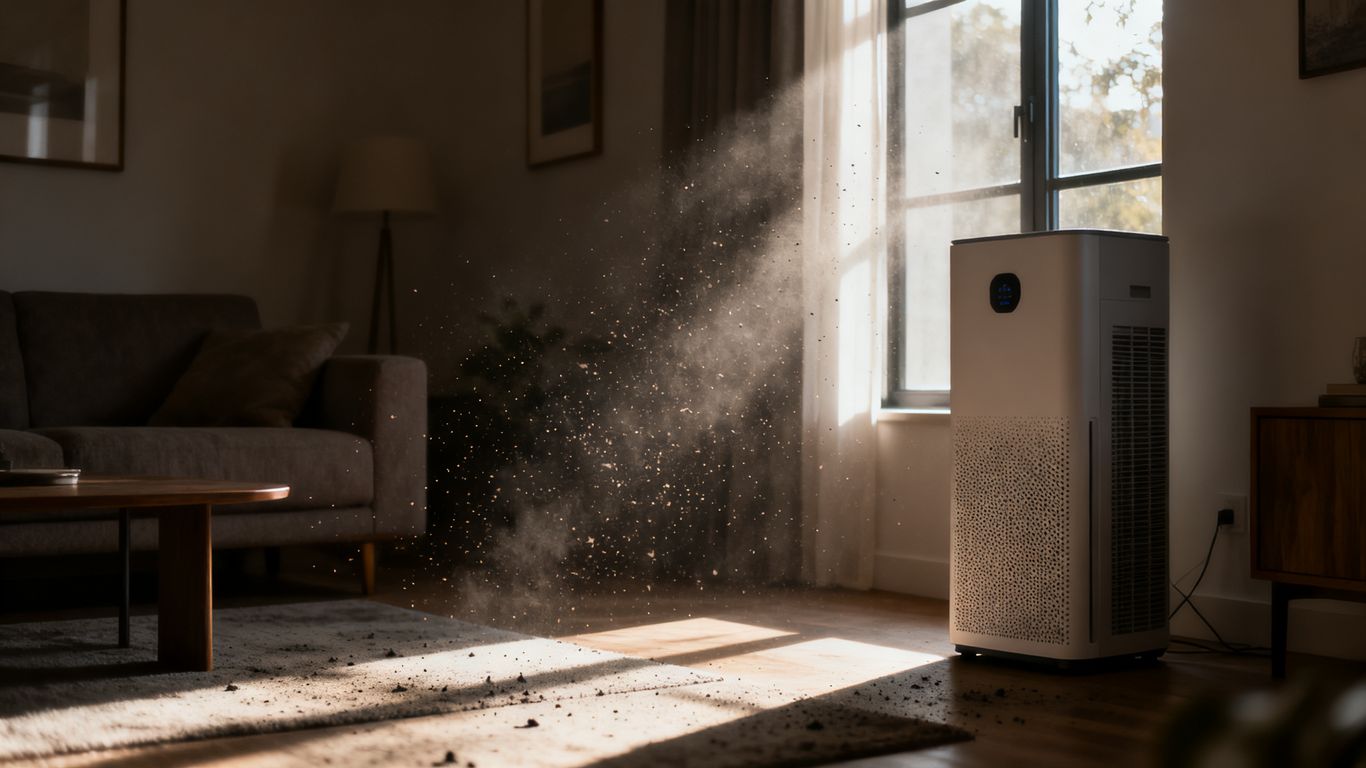
Wildfires leave behind far more than just charred wood and blackened landscapes. Often, the most significant challenges homeowners face reside in the microscopic debris that travels miles from the origin of the blaze. This residue settles in places that seem untouched, creating a persistent environmental hazard that property owners must address quickly.
Chemical composition of wildfire ash
Wildfire ash is a complex mixture of burned organic materials, minerals, and combustion byproducts that can vary wildly depending on what the fire consumed. When synthetic materials or treated woods burn, the resulting ash may contain heavy metals and harmful chemicals, making it distinct from traditional fireplace soot. Analyzing this composition is vital because the level of toxicity in household dust can influence how one approaches the cleaning process to avoid secondary contamination.
Differentiating between smoke odors and particulate soot
While smoke odors are clearly noticeable as a smell, particulate soot acts as a physical contaminant that adheres to surfaces. Homeowners often mistake the presence of one for the existence of the other, but they require different mitigation strategies to remove effectively. Relying on insurance coverage for smoke helps distinguish when these materials have compromised the air quality or the integrity of home contents.
Why smoke particles penetrate non-charred surfaces
Smoke particles are exceptionally small, often measuring in the sub-micron range, which allows them to bypass traditional window seals and door frames. As these particles drift into air currents, they penetrate porous materials like drywall, carpet, and unfinished wood, becoming deeply embedded over time. Recognizing how easily soot travels highlights the importance of professional verification to ensure that smoke, fire, and ash damage is fully documented before any cleanup begins.
Structural issues caused by smoke and soot accumulation
Even when the structure remains standing, the accumulation of smoke and soot can do substantial hidden damage over weeks or months. These particles are often acidic, meaning that left alone, they will slowly eat away at the materials they coat. Assessing these areas requires careful attention to the mechanical and structural integrity of the home.
Corrosion of metal fixtures and electronics
Soot particles can be highly conductive and acidic, posing an immediate threat to electrical hardware and delicate metal finishes. As humidity levels change, these particles absorb moisture and begin a chemical process that results in pitting and long-term corrosion on sensitive connections. Failing to clean electronics or HVAC electronics early on often necessitates their complete replacement.
Damage to HVAC systems and air filtration components
Your HVAC system is essentially a central distribution hub for particulates that have entered the home. Once smoke enters the ductwork, it coats the interior surfaces and clogs filters, meaning the system will continuously recirculate contaminants every time it cycles. This creates a cycle where indoor air quality can never truly improve without intensive duct remediation and component deep cleaning.
Structural degradation of insulation and drywall
Insulation is uniquely vulnerable to smoke saturation due to its high porosity and large surface area. Once soot penetrates batts of insulation, the material loses its ability to effectively regulate home temperatures and may become a permanent source of odor. In many cases, replacing the drywall and insulation is the only way to satisfy safety standards in heavily impacted zones.
Health hazards associated with wildfire byproduct exposure
Exposure to wildfire residue is not merely a cosmetic nuisance; it can have profound implications for physical well-being. Fine particulate matter is small enough to enter the bloodstream through the lungs, which makes the presence of indoor ash a major health concern for many families. Ensuring the home environment is properly cleared is a critical step in preserving future wellness.
Respiratory risks from microscopic particulate matter
Microscopic particulate matter remains a significant concern, as these particles can linger in carpets, curtains, and furniture long after the fire is extinguished. These fragments can cause chronic irritation for individuals with underlying respiratory conditions like asthma or allergies. Developing a plan to remove particles ensures that the long-term safety of your home remains the top priority during recovery.
Toxicity of household synthetic materials during combustion
When fires interact with modern building materials, the resulting smoke carry high concentrations of toxins often absent in wood-only fires. Plastics, insulation foams, and synthetic carpeting release hazardous chemical compounds that absorb into your home structure during the firefighting process. Thorough professional assessment is the only way to confirm these substances have been fully neutralized.
Long-term health risks in improperly remediated environments
Settling for incomplete cleaning often leaves behind invisible layers of toxic soot that can be disturbed by daily household activity. Over several months, the cumulative impact of breathing these disturbed particles can lead to persistent inflammation or other aggravated health concerns. Establishing a baseline of air quality is necessary to see if a space is safe for living.
Inspecting your property for hidden smoke and ash damage
Property owners frequently report finding soot in unexpected locations because smoke does not just stay in the air. Conducting a thorough, room-by-room walkthrough is the most effective way to identify the extent of the damage. For those living in California, firms like Keosian Law LLP often advise that early documentation is the most important step in protecting your rights.
Identifying residue in attics and crawl spaces
Attics and crawl spaces are often forgotten during post-fire inspections, yet they serve as major pathways for smoke migration. Attic insulation can act like a sponge for soot, while vents can introduce fresh ash into the home regularly. Inspecting these areas often reveals that smoke damage is significantly more widespread than what is seen in the living room.
Assessing concealed accumulation behind baseboards and electrical outlets
Smoke often enters walls through gaps behind baseboards and electrical boxes, settling in the studs and framing materials. This hidden accumulation can cause recurring odors that traditional air fresheners cannot mask. If you smell a persistent acrid scent, checking behind these panels frequently shows that a deeper cleaning is required.
Utilizing professional monitoring equipment for indoor air quality
Professional testing provides an objective assessment of what is actually floating in the air of a living space. Experts use specialized sensors to measure particle counts, detecting layers of contamination the naked eye cannot see. Utilizing this data allows for a evidence-based approach to remediation rather than relying on guesswork alone.
Professional remediation and cleaning techniques
Effective remediation is a highly technical process that requires specialized knowledge of surface chemistry and air flow physics. Unlike routine housekeeping, professional remediation is intended to pull particulate matter out of the structure safely and thoroughly. When you approach Smoke and Ash Claims, ensure your chosen team follows these structured industrial steps for a successful restoration:
Implementing advanced air scrubbing and HEPA filtration
Air scrubbers work by creating a negative pressure environment that forces contaminated air through high-efficiency particulate filters. This reduces the concentration of suspended particles to levels often lower than those found in standard outdoor air. Using industrial-grade machinery is the only way to ensure the home environment is fundamentally returned to its state before the wildfire hit.
Specialized cleaning methods for porous vs. non-porous surfaces
Different materials require specific cleaning protocols to ensure that soot is removed and not just smeared deeper into the surface. Professionals apply a variety of technical approaches depending on the substrate, following a specific workflow to prevent cross-contamination during the process
- Pre-cleaning vacuuming with specialized HEPA attachments to remove surface debris.
- Wet wiping non-porous surfaces with mild degreasing agents to lift acidity.
- Dry sponge treatment on porous wall materials to draw out soot without staining.
- Careful application of neutralizing compounds to delicate fabric furniture.
The use of these specialized tools prevents the permanent staining of surfaces and secures the integrity of your personal items. Adhering to this level of detail is necessary to avoid the need for structural replacement.
Chemical encapsulation to neutralize embedded odors
Once physical matter is removed, odors often remain trapped within the microscopic pores of furniture or wall material. Chemical encapsulation sprays create a thin, airtight barrier over these surfaces that traps the volatile compounds, essentially locking them in and preventing them from reaching your nose. This is the final professional step in achieving a neutral, fresh-smelling home environment.
Navigating insurance claims for smoke and ash damage
Filing an insurance claim for particulate damage requires a high level of technical detail and preparation. Adjusters often struggle to quantify damage that isn’t fire-scorched, making it essential to have clear, expert-verified evidence ready from the start. Taking the time to document every room ensures that you have the necessary leverage when discussing coverage with your insurance carrier.
Documenting evidence of latent damage for adjusters
Documentation should be comprehensive, moving beyond photos to include professional reports regarding particulate samples and air quality tests. When claims adjusters see technical data, they are better equipped to authorize the full scope of necessary remediation. A detailed log of all visible and invisible damage provides the foundation for a successful recovery process.
Interpreting policy language regarding structural pollutants
Insurance policies contain complex language regarding which environmental pollutants are covered under standard dwelling and content clauses. Some policies have specific dollar limits or timelines that can drastically impact your ability to be reimbursed for remediation costs. Being aware of these specific constraints allows homeowners to make informed decisions about their coverage before they begin work.
Engaging specialized professionals for complex particulate claims
Because particulate claims can feel subjective, many homeowners benefit from working with professionals who deal with insurance adjusters regularly. This partnership allows you to focus on the logistics of living, knowing that documentation and expert testimony are being handled by those who understand the intricacies of property law. Hiring experienced legal or public adjuster support can ensure the cost of testing and cleaning is fairly addressed by all parties involved.
