
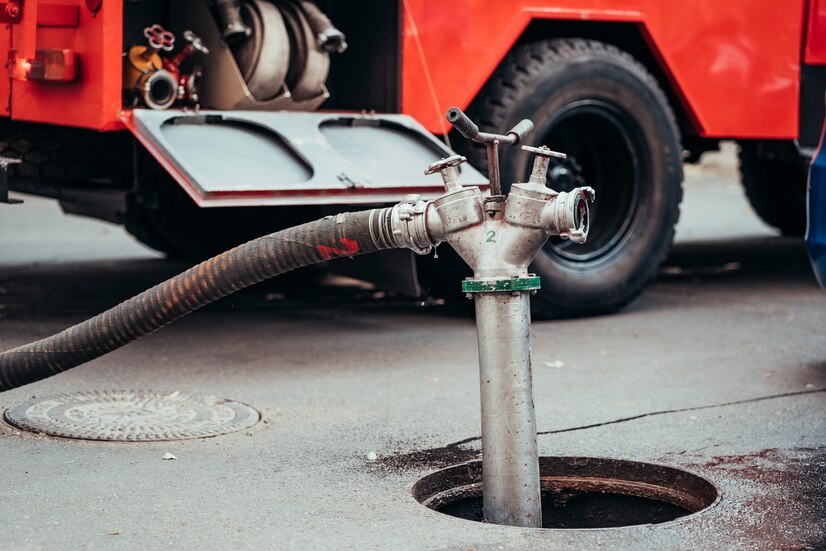
Understanding What a Drain Cleanout Is
A drain cleanout is a vital part of your home’s plumbing system. Found in almost every modern home, it’s a capped pipe that gives direct access to the main sewer line. Homeowners, plumbers, and maintenance teams rely on this access point to inspect, clear, and repair blockages without tearing apart walls or digging up yards. Because your drain cleanout connects straight to the main line, it becomes one of the best tools available for solving drainage problems quickly.
How a Drain Cleanout Works
The structure of a drain cleanout is designed for one main purpose: easy entry into your sewer line. The cap that covers the pipe prevents debris, insects, and sewer gases from escaping, but it can be removed when repairs or inspections are needed. Plumbing professionals insert special tools—like augers or cameras—into the pipe to reach clogs and buildup deep inside the system.
Common Locations of Drain Cleanouts in Homes
Depending on your home’s layout and age, your drain cleanout may be:
-
In the front or back yard
-
Near the bathroom
-
Close to the kitchen
-
Inside the basement
-
Along the exterior wall of your home
Newer homes are required to include cleanouts in multiple locations, while older houses may only have one or none at all.
Why Drain Cleanouts Are Important
A drain cleanout might not seem like a big deal, but it’s one of the most important access points in your plumbing system.
Role in Preventing Major Plumbing Problems
Without a working cleanout, plumbers may need to take apart your drains or cut through pipes to reach the blockage. With a cleanout in place, accessing the system becomes quick and efficient, lowering the risk of severe pipe damage.
Impact on Drainage Efficiency
Cleanouts help water flow smoothly by providing a quick way to remove obstructions like:
-
Grease
-
Hair buildup
-
Tree roots
-
Food particles
-
Foreign objects
This keeps the entire plumbing system healthy and functioning well.
Signs Your Drain Cleanout Needs Attention
Many homeowners overlook early warning signs. Addressing them quickly helps avoid expensive damage.
Slow Drainage Throughout the Home
If sinks, tubs, and toilets drain slowly at the same time, the issue might be in the main sewer line—reachable through your cleanout.
Frequent Clogs and Backups
Recurring clogs often mean a deeper issue. The cleanout allows plumbers to detect stubborn blockages.
Unpleasant Odors from Drains
Sewer smells in your home can indicate a problem in the system, such as trapped gases or waste buildup.
How to Locate Your Drain Cleanout
Finding your drain cleanout is the first step to solving plumbing issues.
Outdoor Locations
In many homes, the cleanout is:
-
Near the foundation
-
Close to the yard’s slope
-
Along the main bathroom’s exterior wall
Indoor Locations
If not located outside, it could be:
-
In the basement
-
Behind a utility panel
-
Inside a laundry room
Special Considerations for Older Homes
Homes built before the 1970s may only have one cleanout—or none at all—making professional help necessary for locating access points.
How to Maintain and Clean a Drain Cleanout
DIY Maintenance Tips
Homeowners can perform simple maintenance, such as:
-
Inspecting the cap for cracks
-
Clearing debris around the access point
-
Tightening a loose cleanout cap
-
Pouring hot water down interior drains to clear mild buildup
Tools Used for Drain Cleanout Cleaning
Professionals and DIY enthusiasts may use tools like:
-
Plumbing snakes
-
Hydro-jet machines
-
Video inspection cameras
When to Call a Professional Plumber
If you’re seeing frequent backups or sewage overflows, it’s time to contact a licensed plumber. Professional help ensures safety and prevents damage.
Professional Drain Cleanout Services
What to Expect During a Professional Cleaning
You can expect:
-
Video inspection of the line
-
Removal of deep clogs
-
Hydro-jetting if needed
-
Testing to confirm clear flow
Costs and Factors That Influence Pricing
The cost depends on:
-
Clog severity
-
Location of the cleanout
-
Accessibility
-
Type of equipment required
Safety Tips When Handling a Drain Cleanout
Protective Gear
Use:
-
Gloves
-
Eye protection
-
Rubber boots
Avoiding Common Mistakes
Don’t:
-
Force open a pressurized cap
-
Pour harsh chemicals inside
-
Insert tools you’re unfamiliar with
Benefits of Proper Drain Cleanout Maintenance
Saves Money Long Term
Routine maintenance reduces costly repair work and prevents severe sewer damage.
Helps Protect Your Entire Plumbing System
Healthy cleanouts contribute to better overall drainage and protect pipes from unnecessary pressure.
FAQs About Drain Cleanouts
1. What exactly is a drain cleanout?
It’s a capped pipe providing access to your home’s main sewer line.
2. How often should I check my drain cleanout?
Every 6–12 months, or sooner if you notice drainage issues.
3. Can I clean the drain cleanout myself?
Yes, simple inspections are safe, but deep cleanings require pros.
4. Where is my drain cleanout located?
Usually outside near the foundation, or indoors in a basement or utility room.
5. Are drain cleanouts required by building code?
Most modern codes require them for accessibility and safety.
6. What happens if I don’t maintain my cleanout?
Clogs may worsen, leading to sewage backups and expensive repairs.
Conclusion
A drain cleanout is a small but essential component of every plumbing system. Knowing how to locate, maintain, and use it can save you hundreds or even thousands of dollars in repair costs. Whether you’re a new homeowner or just trying to protect your investment, learning about your drain cleanout is one of the smartest steps you can take.
