
Remember when “minimalist” design basically meant white walls and echoing rooms? It looked clean, sure, but it often sounded awful. You’d walk into a visually stunning space yet somehow feel cold, harsh, or even stressed. Every footstep echoed, every conversation bounced back, and the room just didn’t feel… alive.
That’s changing fast. Interior designers are no longer treating walls like empty canvases that just need paint or art. They’re turning them into sound-absorbing, texture-rich features that actually make a space feel better to live and work in. And at the centre of this design revolution? Acoustic panels.
The Problem with Beautiful but Noisy Spaces
Modern design loves hard surfaces — marble, glass, polished wood, and concrete. They photograph beautifully but are terrible for acoustics. Sound bounces around endlessly, making even the prettiest spaces feel chaotic.
If you’ve ever tried to have dinner in a chic restaurant where you couldn’t hear the person across the table, you’ve felt the problem firsthand. It’s not that the place was loud; it was that the sound had nowhere to go.
Designers have finally had enough of that. They’ve realised that a room can’t be truly luxurious if it sounds harsh. Comfort isn’t just about what you see, but also about what you hear.
Enter the Wall That Works Harder
Walls are some of the biggest surfaces in any space, so they’re prime real estate for acoustic improvement. Instead of hanging a single piece of art and calling it a day, designers are now covering sections of walls with beautifully crafted acoustic panels that double as décor.
An acoustic panel wall absorbs unwanted sound waves before they bounce around, instantly softening the acoustics. It’s like putting your room on “noise control” mode. Conversations sound clearer, background noise fades, and suddenly the entire environment feels calmer.
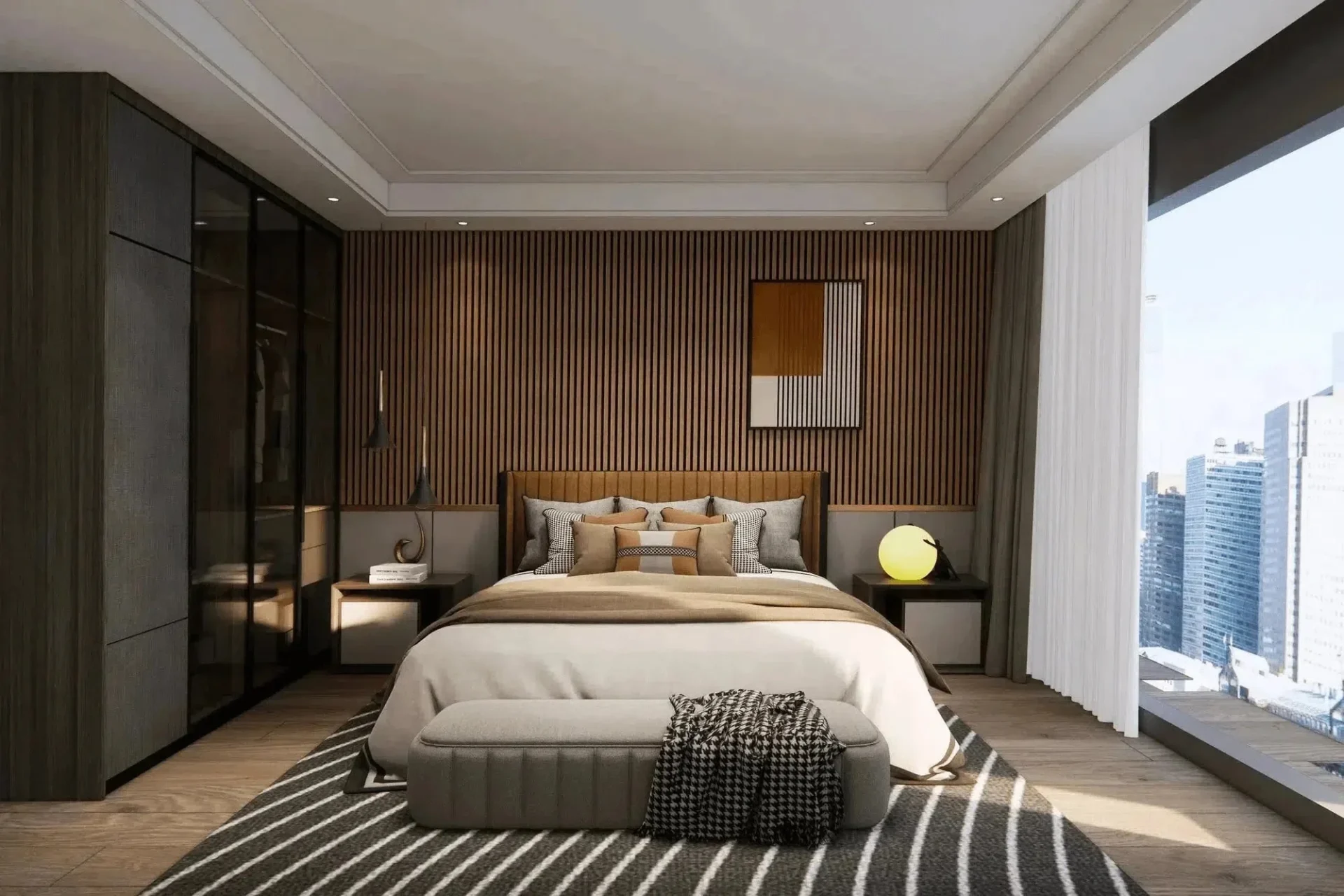
But the beauty of it is that these panels don’t scream typical acoustic solutions. They come in luxurious fabrics, geometric patterns, natural wood finishes, and even 3D sculptural designs. They can be subtle or bold, minimalist or artistic, whatever suits the mood of the room.
From Office to Living Room — Everyone’s Getting on Board
Once upon a time, you’d only find acoustic panels in boardrooms or recording studios. Now, they’re popping up everywhere — from cosy cafés and restaurants to high-end apartments and boutique hotels.
In workplaces, they help keep the energy of open-plan layouts without the noise that comes with them. Meetings sound sharper, and employees can actually think clearly. In homes, they bring that soft, elegant feeling that makes a space instantly more inviting.
Interior designers love them because they solve a real problem while adding visual depth. A textured wall creates warmth, draws the eye, and makes a statement without shouting for attention. It’s one of those rare design choices that’s both beautiful and functional — form and purpose in perfect balance.
The Secret Ingredient to a Comfortable Space
Here’s something people often overlook: good acoustics can completely change how you feel in a space. When there’s too much echo, your brain has to work harder to process sound. It’s subtle, but it’s tiring. You end up feeling more stressed without knowing why.
When sound is absorbed properly, your body relaxes. Conversations feel easier, your music sounds richer, and your mind can focus better. It’s one of those invisible luxuries you only notice once you’ve experienced it.
Designers call it “acoustic comfort”, and it’s quickly becoming just as important as lighting, texture, and colour in modern design.
Turning Sound Control into Style
One of the coolest things about this trend is how creative it’s become. Designers aren’t just hiding acoustic panels behind fabric anymore; they’re showcasing them as centrepieces.
Some spaces use bold geometric layouts that turn a wall into an art installation. Others layer panels in neutral tones to create soft, hotel-like elegance. In offices, designers often choose sleek, felt-based panels that blend perfectly with a minimalist aesthetic.
Even small touches like covering just part of a wall behind a sofa or meeting table can make a noticeable difference. The effect is instant: less echo, more harmony, and a richer sense of space.
Sustainable, Smart, and Stylish
Today’s acoustic solutions are also about responsibility. Many panels are made from recycled materials, sustainable woods, or natural fibres. It’s a design choice that feels good in every sense of the word.
Some manufacturers even offer customisable panels designed to fit any aesthetic, whether that’s Scandinavian calm, Japanese minimalism, or modern industrial. That flexibility has made them a designer’s dream product.
Why Designers Are Obsessed
Ask any interior designer what makes a space feel truly “finished,” and they’ll tell you it’s the sound.
Lighting, colour, and furniture set the scene, but sound gives a space its soul. It determines whether a room feels warm or cold, inviting or uncomfortable. That’s why so many designers now start with acoustics rather than treat it as an afterthought.
An acoustic wall feature is like the difference between a photo and a film — one looks good, the other feels alive.
The Takeaway
Blank walls are officially out. Texture, depth, and acoustic comfort are in.
Designers everywhere are proving that function and beauty can live side by side. With an acoustic panel wall, you’re not just upgrading your décor — you’re upgrading the way your space feels.
Whether it’s a home office, a restaurant, or a boutique hotel, good acoustics are becoming the new mark of great design. Because at the end of the day, a truly beautiful room shouldn’t just look stunning, but also sound like calm.
