
Key Takeaways
- Blinds work best in rooms where space, glare control, and cleaning speed matter most.
- Curtains suit rooms where comfort, sound reduction, and visual softness affect daily use.
- A combined setup suits bedrooms and shared spaces that need flexibility across day and night.
Introduction
Window treatment decisions affect daily comfort more than most renovation choices. In Singapore homes, sunlight direction, building density, and room size all influence how a space feels once furnished. West-facing windows bring strong afternoon heat. Compact bedrooms leave little margin for bulky fittings. Neighbouring blocks sit close enough to affect privacy. These conditions mean the choice between blinds in Singapore, curtains, or a combined setup requires practical judgement, not style preference alone. The best option depends on how the room functions, how often you adjust light levels, and how much upkeep fits into your routine.
1. When Blinds Make Sense on Their Own
Blinds suit rooms where efficiency matters more than atmosphere. Study rooms, kitchens, and smaller bedrooms benefit from fittings that sit close to the window frame. Blinds do not intrude into walkways or bed clearance. This matters in HDB rooms where furniture already pushes against walls.
Light control drives the decision here. Venetian and rainbow blinds let you tilt slats to manage brightness while keeping privacy intact. This helps in home offices where screen glare disrupts work, but a full blackout feels unnecessary. Curtains cannot achieve this balance without opening or closing entirely.
Maintenance also plays a role. Most blinds in Singapore need only a damp cloth or light dusting. Kitchens collect grease. Homes with pets or allergy concerns benefit from surfaces that do not trap fabric fibres. In these settings, blinds solve a practical problem without adding upkeep.
2. When Curtains Do the Job Better
Curtains perform best in spaces meant for rest or social time. Living rooms and master bedrooms gain comfort from fabric that softens sound and blocks heat more effectively. Thick night curtains reduce outside noise from traffic and neighbouring units. This difference becomes noticeable at night or during rain.
Curtains also change how a room feels. Floor-length panels add vertical emphasis. Ceilings appear taller. Large windows feel intentional instead of exposed. These effects matter in shared spaces where people sit for long periods.
Heat control influences this choice as well. West-facing living rooms absorb afternoon sun. A lined curtain reduces heat transfer better than a standard roller blind. Air-conditioning works more efficiently when less heat enters the room. For households that spend evenings in the living room, this improvement affects daily comfort.
3. Why a Combined Setup Fits Many Singapore Homes
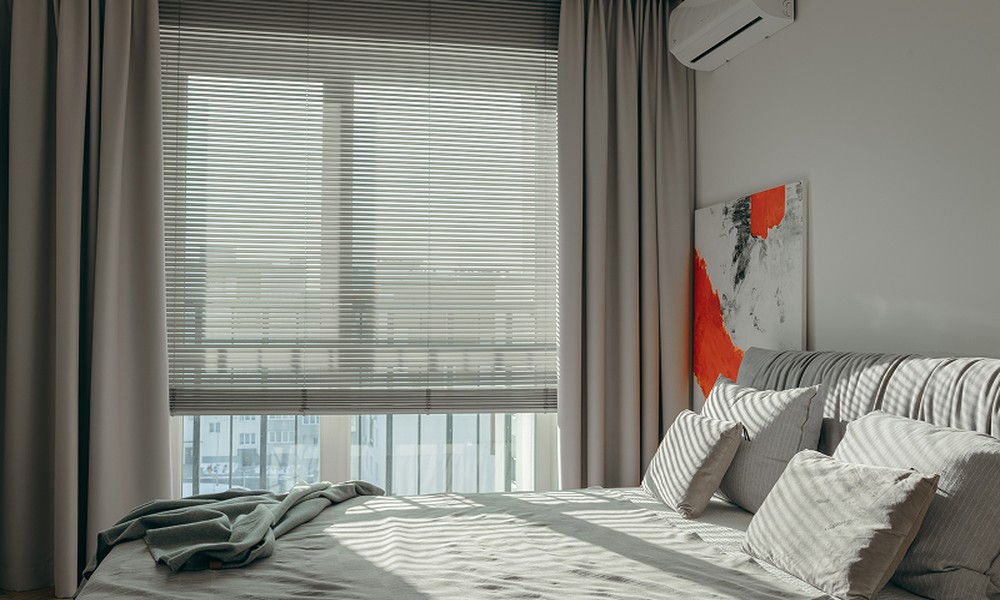
Many homeowners install both curtains and blinds on the same window because single solutions rarely cover all needs. Bedrooms illustrate this clearly. Morning light needs control. Night privacy matters. Daytime comfort and evening insulation both affect sleep quality.
A common setup places a roller or blackout blind closest to the window, with a sheer or fabric curtain in front. The blind handles light control and privacy during rest hours. The curtain adds softness and reduces echo during the day. This arrangement suits rooms that shift function across the day.
Combined setups also adapt well to shared spaces. Living rooms used for work, rest, and entertainment benefit from layered control. Blinds manage glare during the day. Curtains frame the space in the evening. The room stays usable without constant adjustment or compromise.
4. How Room Function Should Drive the Choice
The right window treatment matches how the room carries the daily load. A study room prioritises screen visibility and clearance. A bedroom prioritises sleep consistency. A living room balances comfort with presentation.
Small rooms benefit from fittings that minimise bulk. Blinds sit flush. Curtains require space for stacking. Large windows allow more flexibility. Ceiling tracks handle heavier fabrics without crowding.
Cleaning habits also matter. Homes with frequent cooking or dust exposure benefit from wipeable surfaces. Fabric requires washing or dry cleaning. Some households accept this. Others prefer minimal upkeep. Matching the treatment to realistic maintenance habits prevents frustration later.
Conclusion
Window treatments shape how a room functions from morning to night. Blinds in Singapore solve glare and space constraints in work-focused rooms. Curtains improve comfort in spaces meant for rest and gathering. A combined setup supports rooms that change function throughout the day. The decision works best when it follows use patterns instead of trends. When the treatment supports how the room actually operates, comfort becomes consistent rather than occasional.
Contact Window Art Gallery to review completed curtains and blinds installations in Singapore and identify a setup that fits your room layout and daily routine.
