
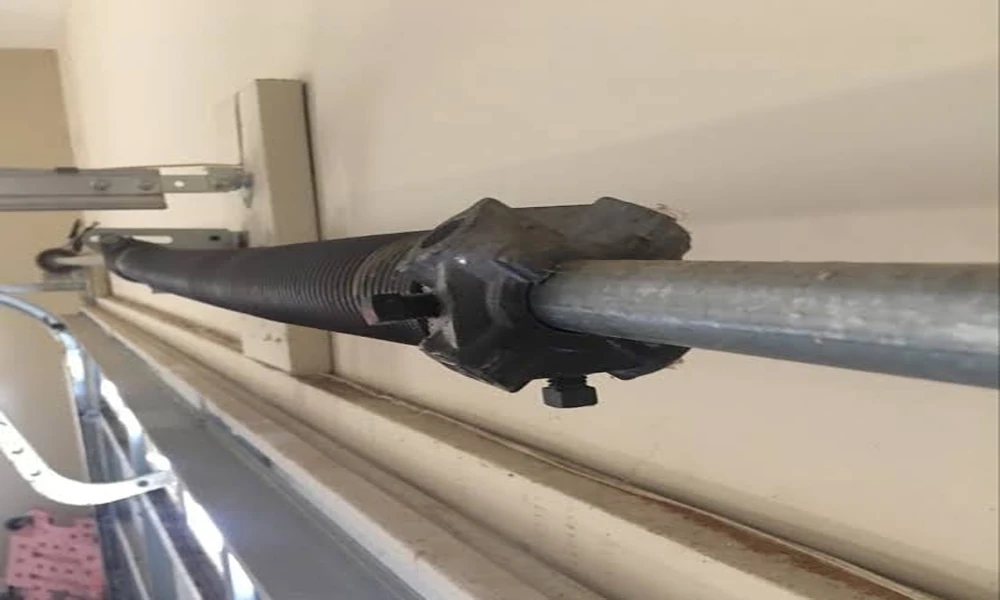
The simplicity of your garage door belies the function of its spring system, which provides the bulk of the power required to raise and lower the door. Springs provide the balance for the door to operate smoothly when raised and lowered. There are two types of springs commonly found in residential applications: torsion springs and extension springs.
Understanding the kind of garage door that you have will assist in knowing how to operate your garage door properly, identify when a potential problem exists with your garage door, and schedule the appropriate service for your garage door if necessary.
What Is a Torsion Garage Door Spring?
Torsion springs are usually placed above the opening for the garage door. The spring is on a steel rod which extends over the width of the door.
The closing of the door causes the spring to tighten and create potential energy. The opening of the door creates potential energy which is used to support the doors weight.
You can usually identify a torsion spring by these features:
- It sits horizontally above the garage door.
- It wraps around a metal shaft.
- It may have one or two springs, depending on the door’s design.
- It works through a twisting motion.
Torsion springs are used today in most types of garage doors. These springs allow the door to move smoothly, and they are typically selected by homeowners because of how well they operate.
What Is an Extension Garage Door Spring?
Extension springs operate in a different manner than torsion springs. They are typically installed horizontally along both of the tracks that run the length of the garage door.
The spring will stretch during the closing of the door. When the door is opened, the spring will contract to assist in lifting the door.
Look for these signs:
- Springs run along the side tracks.
- They stretch, as well as contract, during operation.
- Safety cables may run through them.
- They are often used in lighter garage door systems.
If you can see long springs running on either side of the track, you probably have an extension spring system.
Torsion vs Extension Springs: Key Differences
The distinction between the two types of garage door springs is very clear. One type (torsion) is located at the top of the garage door and rotates. On the other hand, extension springs are positioned on both sides of the track and expand/contract.
The two methods that assist with balancing the garage door both require different types of components and repairs. Therefore, it is essential to correctly identify which method you are using prior to ordering garage door spring replacement.
Can a Faulty Spring Damage Your Garage Door Motor?
Yes. When opening the door using a motor, you must exert more force on the door than would normally be necessary if the spring did not help to hold up the weight of the door. This extra force required to open the door can result in diminished performance as well as increased risk of premature damage to components.
If there are issues with the engine, it produces unusual sounds, or ceases to function altogether, then the whole system should be checked. Garage door opener repair may be necessary in addition to engine replacement if the opener was damaged.
Choose the Right Repair for Your Garage Door
The two types of spring perform the same task; however, there are many differences in the design of each type of spring. Once you identify which type of spring is installed in your home, it will be easier for you to maintain them properly.
If you see evidence of damage from the spring season, contact a professional garage door spring replacement instead of attempting to repair it yourself. The technician will also examine the opener and suggest if the additional pressure has damaged the garage door motor, requiring garage door motor repairs.
Regular inspections help keep your garage door balanced, safe and reliable.
