
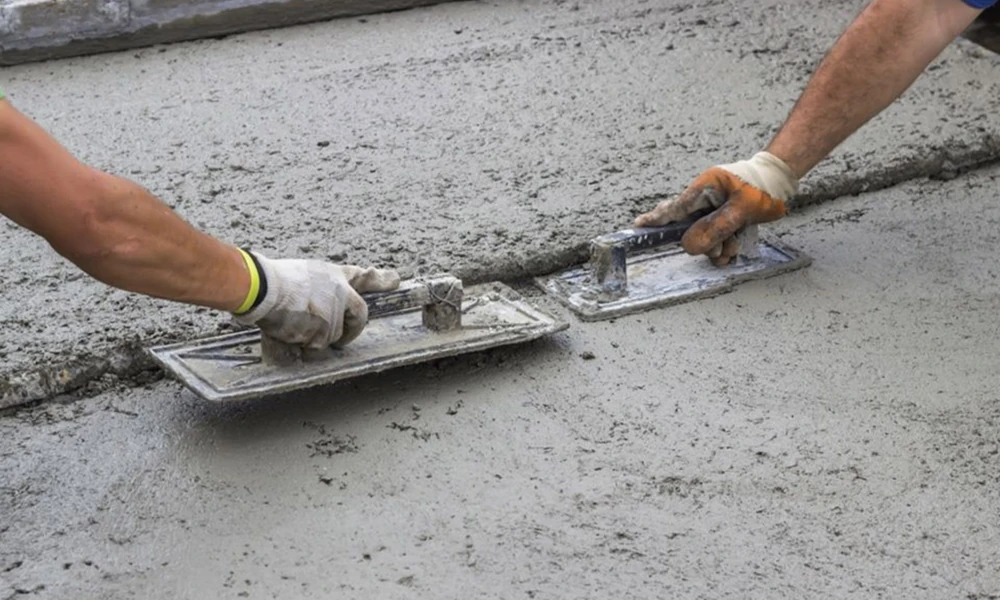
A concrete driveway is one of the largest outdoor projects you will pay for, and most of its quality ends up buried under the surface. The finished slab looks the same from one contractor to the next on day one. The difference shows up three or four winters later, when one driveway has cracks, dips, and a broken apron and the other still looks clean.
I judge a driveway contractor by what they do before and after the pour. I look at the base, the steel, the joints, the mix, and the way the price is written. When I looked for a Nashville company to recommend, I used those same checks. Nashville Concrete stood out because their stated standards match what a long-lasting driveway needs.
This article covers what goes into a good driveway, what your quote should list, and how to compare bids. You will leave with a clear set of questions to ask before you sign anything.
Why Nashville Driveways Crack
Middle Tennessee has heavy clay soil. Clay swells when it is wet and shrinks when it dries, and a slab sitting on it will move if the base is thin or loose.
Freeze and thaw cycles add stress. Water gets into small gaps, freezes, and pushes the concrete apart.
Most failed driveways share the same causes:
- A thin or uncompacted gravel base
- No steel, or steel that sank to the bottom of the pour
- Joints cut too late or not at all
- Extra water mixed in at the site to make the pour easier
- No gap where the slab meets the house
Every one of these can be prevented. That is why I focus on process instead of looks.
What a Strong Driveway Includes
Here is what I want to see in any driveway plan.
A Compacted Gravel Base
The gravel should go down in layers, and each layer should be compacted before the next one goes on. On clay, the soil underneath needs to be stabilized first. Nashville Concrete builds every job this way, with a gravel base compacted in lifts over stabilized clay.
Steel in the Middle of the Slab
Rebar or mesh belongs in the middle of the slab, not resting on the dirt. Crews hold it up with small supports called chairs. Nashville Concrete sets rebar or mesh on chairs mid-slab, which is the correct method.
Joints Cut at the Right Time
Concrete will crack as it cures. Control joints give it a planned place to crack. They need to be cut within the first day. Expansion joints go anywhere the concrete meets the house, a garage slab, or another fixed piece, so the slab can move without pushing on the structure. Nashville Concrete cuts control joints within the first day and places expansion joints wherever concrete meets the house.
A Mix Without Added Water
Water makes concrete easier to pour and weaker once it cures. Ask every bidder if the crew adds water on site. Nashville Concrete avoids adding water to the mix.
The Apron and Street Connection
The apron is the part where your driveway meets the street. The city has rules for it, and a poor apron can cause problems with permits and drainage.
Nashville Concrete builds the apron and street connection to city detail. They also handle the tear-out of your old driveway, the base, the reinforcement, and the pour as one job. You deal with one crew from start to finish.
What Your Free Quote Should Show
A free quote should be clear enough that you can compare it to another bid line by line. Look for these items:
- The size of the driveway in square feet
- Tear-out and haul-off of the old concrete
- Base depth and how it will be compacted
- Thickness of the slab
- Type of steel and how it will be held in place
- Joint plan
- Apron and street connection details
- Total price agreed before work starts
Nashville Concrete offers free estimates and agrees on pricing before work starts. They schedule estimates within a week in most cases. That gives you a fast way to see a real number.
Check License and Insurance
Ask who will do the work and what they carry. In Tennessee, the contractor license required depends on the value of the job. Nashville Concrete works with a partner company that carries liability insurance and holds the license required for the job value.
Ask to see both documents before work begins. A good contractor will hand them over without trouble.
Plan Around the Weather
Concrete does not pour well in heavy rain or hard cold. A contractor who plans pours around the weather protects your slab. Expect a date to move if a storm is coming. I count that as a good sign, because it means the crew puts the quality of the pour first.
Ask about curing time too. Your new driveway needs days before cars can use it, and longer before heavy trucks drive on it.
Repair Before You Replace
Not every driveway needs to come out. If a slab has sunk but is still sound, lifting it can cost far less than a new pour. Nashville Concrete offers concrete leveling with mudjacking or polyurethane foam. They also assess cracks and surface damage honestly and quote a replacement only when repair is not the right choice.
That approach matters to you. A contractor who tells you when you do not need a full replacement is easier to trust when they say you do.
Your Next Step
Measure your driveway, take a few photos, and note any low spots or drainage problems. Then request a free quote from Nashville Concrete and compare it with at least one other bid, using the list above. Look at the base, the steel, the joints, and the price. When those details are clear and written down, you can move forward with confidence.
