
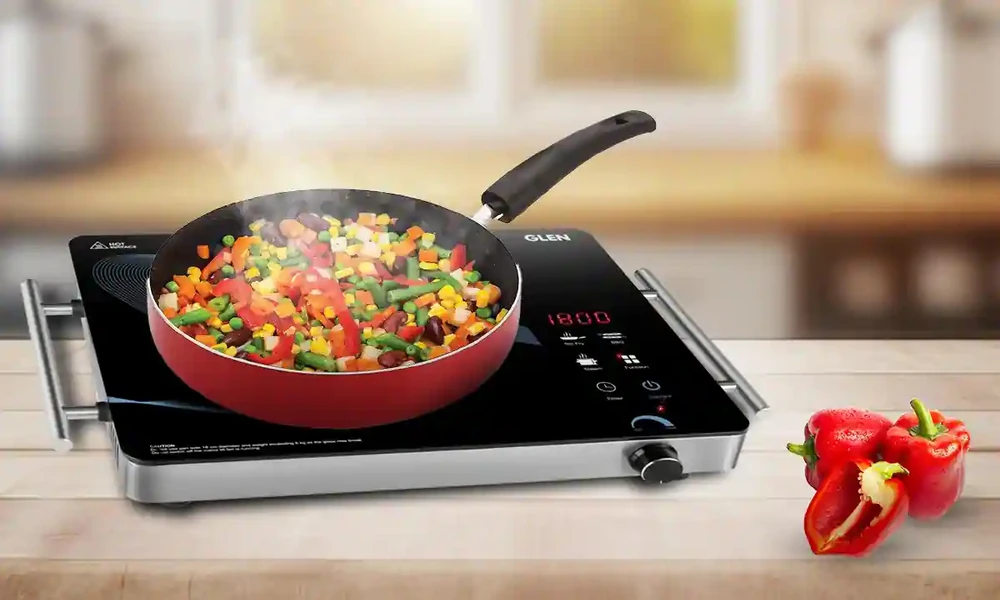
Sharing a stove is easier when each cook explains what their meal needs before either begins. Compare cookware and space, agree on the order of tasks and decide who clears shared equipment. You can respect different dinner choices without requiring everyone to eat the same food. The kitchen simply needs a sequence both people can use.
Compare the equipment each meal needs
Start with the actual preparation instructions. One meal may need a pot and sink access while another uses a different piece of equipment and a clear work surface. Count the shared resources, including utensils and landing places for hot cookware. Two available burners do not automatically mean two complete meals can proceed comfortably at once.
If your dinner is Cheeky Chicken Bites, identify it as a frozen, uncooked chicken-and-onion dumpling product and read the package directions. Do not assume a method used for nuggets applies. The equipment discussion should be based on the food you are preparing, not on an association with the word “bites.”
Ask the other cook where their meal needs uninterrupted attention. They may have a step that cannot easily pause while you move a pan or wash a utensil. You may have the same need. Describing those moments allows you to avoid conflict without either person claiming the whole kitchen for the entire evening.
Agree on the sequence before heating anything
Choose who starts and what marks the handoff. “After I finish” can mean after cooking, after eating or after washing up, so be more specific. You might agree that one person uses the shared cookware first, cleans it and clears the preparation area before the second begins. The sequence should fit both meals’ directions.
If simultaneous cooking is practical, define the spaces each person will use. Keep enough room to move safely and access the sink as needed. Avoid a plan that depends on reaching over someone else’s hot equipment. A short wait may be more comfortable than trying to use every available inch at once.
Communicate changes early. If the first meal takes longer than expected or a required utensil cannot be found, tell the other cook before their own preparation depends on it. They may be able to assemble a side or adjust the order. Silence turns a manageable delay into a surprise at the least convenient moment.
Agree who clears the cookware
Shared equipment needs a clear owner for cleanup after each use. Leaving a pan in the sink may technically free the stove while still blocking the next meal. Decide whether the first cook will wash it immediately and where it will be available. The handoff is complete when the next person can actually use the equipment they expected.
Respect the cookware’s care instructions and allow safe handling of hot items. Do not rush cleanup in a way that damages equipment or creates a hazard simply to meet an informal timetable. A realistic sequence includes the necessary transition between uses. If that transition makes the plan impractical, choose different equipment or stagger the meals further.
Keep personal and shared tools distinguishable if that matters in the household. A preferred utensil or designated item should not disappear into another meal without agreement. The aim is an understandable kitchen routine, not an elaborate set of restrictions. Clear ownership and shared responsibilities prevent small assumptions from accumulating.
Keep ingredients and serving tools identifiable
Separate the food for each meal on the work surface. Similar containers and packages can be confused when two people are moving around the kitchen. Keep original labels with uncooked products and use clear descriptions when setting something aside. The other person should not need to infer whether a bowl contains your prepared food or an ingredient still awaiting cooking.
Different food choices may come from taste, dietary requirements or other preferences. Ask what handling expectations apply rather than guessing. A person preparing chicken dumplings and someone making a meatless meal may need a particular arrangement for tools and surfaces. Agree on that arrangement directly; ordinary proximity does not establish that every requirement is met.
Keep serving utensils with their intended dishes and avoid borrowing an ingredient without asking. A small amount of a condiment can be central to the other person’s dinner. If groceries are shared, establish that separately from sharing equipment. Access to the same stove does not automatically make the entire refrigerator communal.
Plan where finished meals will go. If one person eats while the other cooks, move the first plate to an appropriate eating place so the preparation area is free. A cleared path lets the second cook work without navigating someone else’s dinner. Both people can still talk without occupying the same surface.
Reset the shared space for the next cook
When considering future pierogi fillings to explore in Charlotte, include kitchen fit in the choice. A filling you enjoy is easier to make regularly when its package-directed preparation works within the household’s ordinary cooking schedule. Decide that before a new purchase becomes another unexpected claim on the stove.
After your meal’s active work, put ingredients away, clear the area you used and leave necessary information attached to any reserved food. Handle cooked leftovers and uncooked product according to their different needs. The next cook should not have to finish your storage decisions before starting their own dinner.
Check the handoff with a simple statement that the agreed equipment and space are ready. Then let the other person take their turn without hovering over a process they understand. A shared kitchen works through these small completed agreements: your dinner ends with a usable starting point for theirs.
