
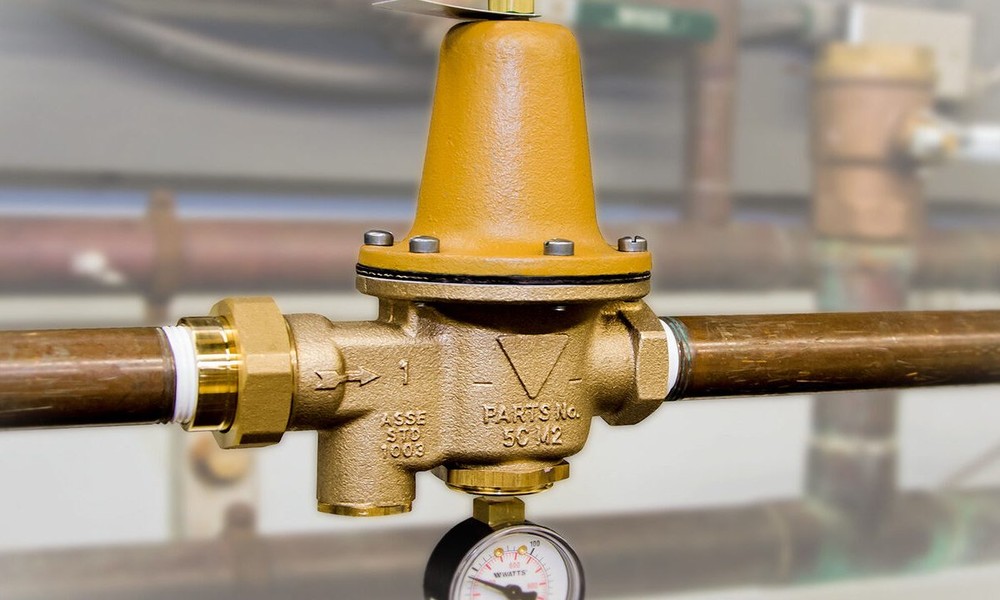
Water pressure shapes daily comfort and system health. The hidden hardware deserves closer attention. Pressure reducing valves guide water into safe ranges. They balance force and flow across the building. The result is reliable delivery with less stress on lines. Many property owners ignore these devices until issues appear.
Internal Components and How They Work
Inside the valve, each part has a clear role. The spring applies a constant opposing force. The diaphragm moves with pressure variations below. A valve seat opens or closes to regulate flow. Now the balance between forces defines the outlet pressure. Sometimes debris can affect movement of internal parts. Sediment buildup may cause uneven regulation over time. So periodic inspection helps maintain precise operation and extend service life.
Application in Homes and High-Rise Systems
Residential systems often face uneven supply conditions. Municipal lines may deliver fluctuating pressures during peak use. In tall buildings the effect becomes more pronounced across floors. low water pressure in a high rise can stem from poor regulation and vertical losses. A well set PRV stabilizes delivery at each zone. It supports consistent flow for showers and kitchen taps. The device also helps avoid excessive pressure at lower floors. according to WM Plumbing, zoning with multiple valves improves distribution in tall structures. This approach ensures each level receives balanced pressure without strain.
Common Issues and Performance Challenges
Performance problems often relate to wear or debris. A weakened spring may fail to hold set pressure. A damaged diaphragm can cause erratic flow changes. So, users may notice low water pressure at fixtures. The inlet screen should remain clear of particles. Proper sizing of the valve also affects performance stability. An undersized unit may restrict flow during peak demand. At low usage, a large unit may struggle with fine control.
Maintenance, Adjustment, and Use
Regular checkups maintain system efficiency. Adjustment screw controls outlet pressure. Turning it alters spring compression. Careful adjustment ensures fixture flow. Pressure gauges check service settings. fixing low water pressure may involve cleaning or replacing worn parts. Seals and diaphragms should be inspected for damage. According to WM Plumbing, scheduled servicing prevents larger system failures. This practice also improves efficiency and extends component life. Building managers benefit from documented maintenance routines. Homeowners gain stable flow and reduced repair costs over time.
Conclusion
Pressure reducing valves play a quiet but vital role. They protect plumbing systems from stress and imbalance. A stable flow improves comfort and system reliability. So, understanding their function supports better maintenance decisions. With proper care these valves serve for many years. They ensure safe pressure across homes and tall buildings alike. Guidance from WM Plumbing can assist with setup and upkeep. Consistent flow begins with precise control at the source.
